‘A Knight of the Seven Kingdoms’ Star Sam Spruell Breaks Down Maekar’s Grief and Egg’s Lie After That Season Finale

[This story contains major spoilers from A Knight of the Seven Kingdoms’ season one finale, “The Morrow.”]
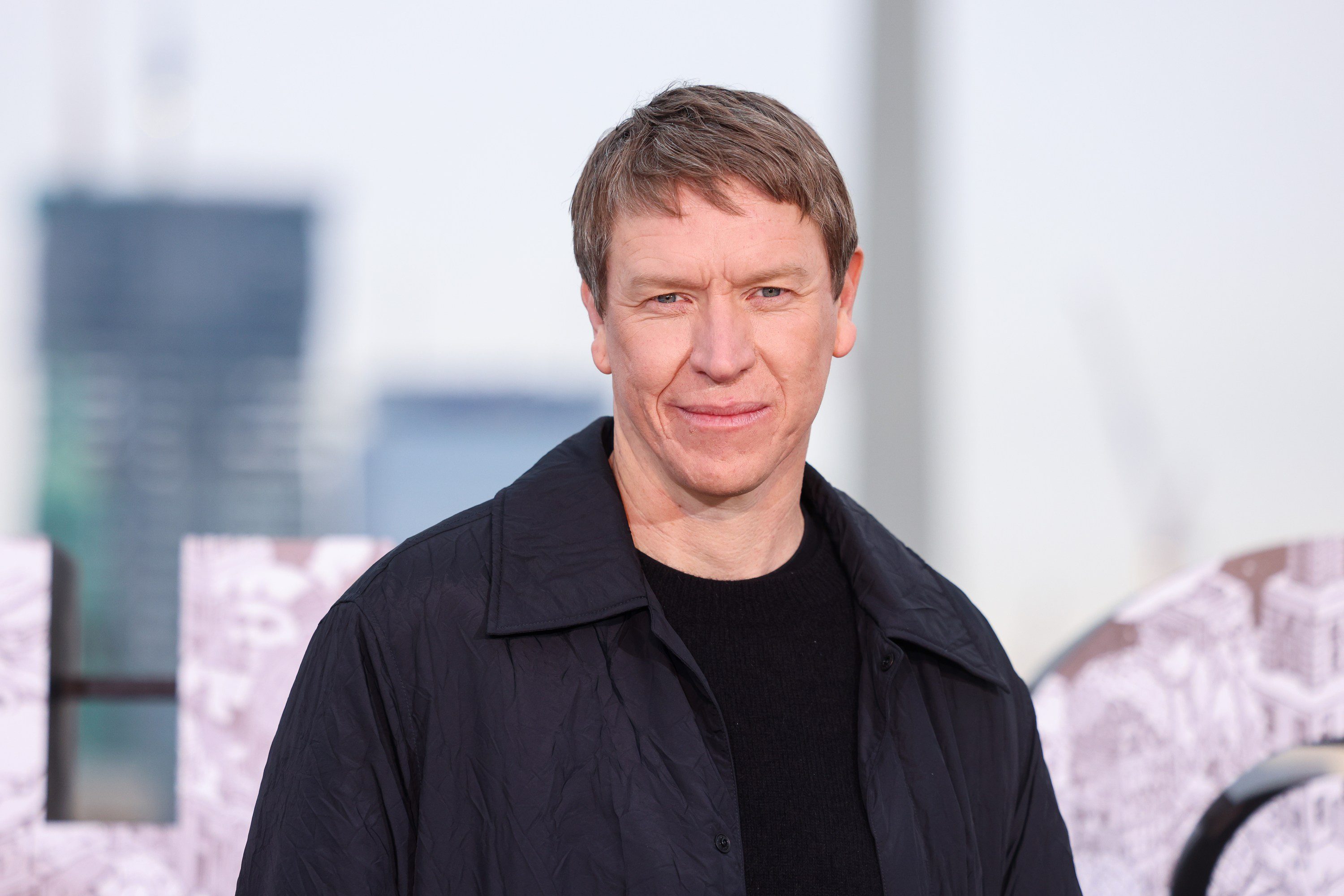
After Sam Spruell’s indelible turn on Fargo season five, it was only a matter of time before another high-profile television universe scooped him up. The British actor now finds himself as a prickly Targaryen prince on Ira Parker and George R.R. Martin’s Game of Thrones prequel series, A Knight of the Seven Kingdoms. (Spruell also appeared on a couple episodes of Dune: Prophecy, which he shot before the world saw his portrayal of a “500-year-old sin-eater” on Fargo.)


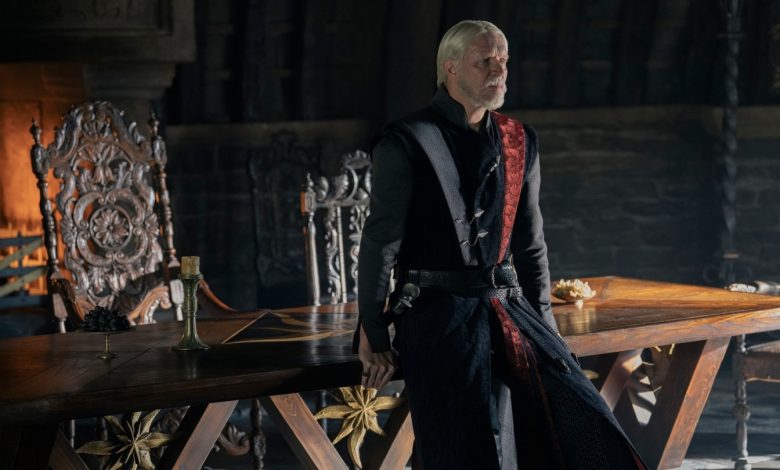
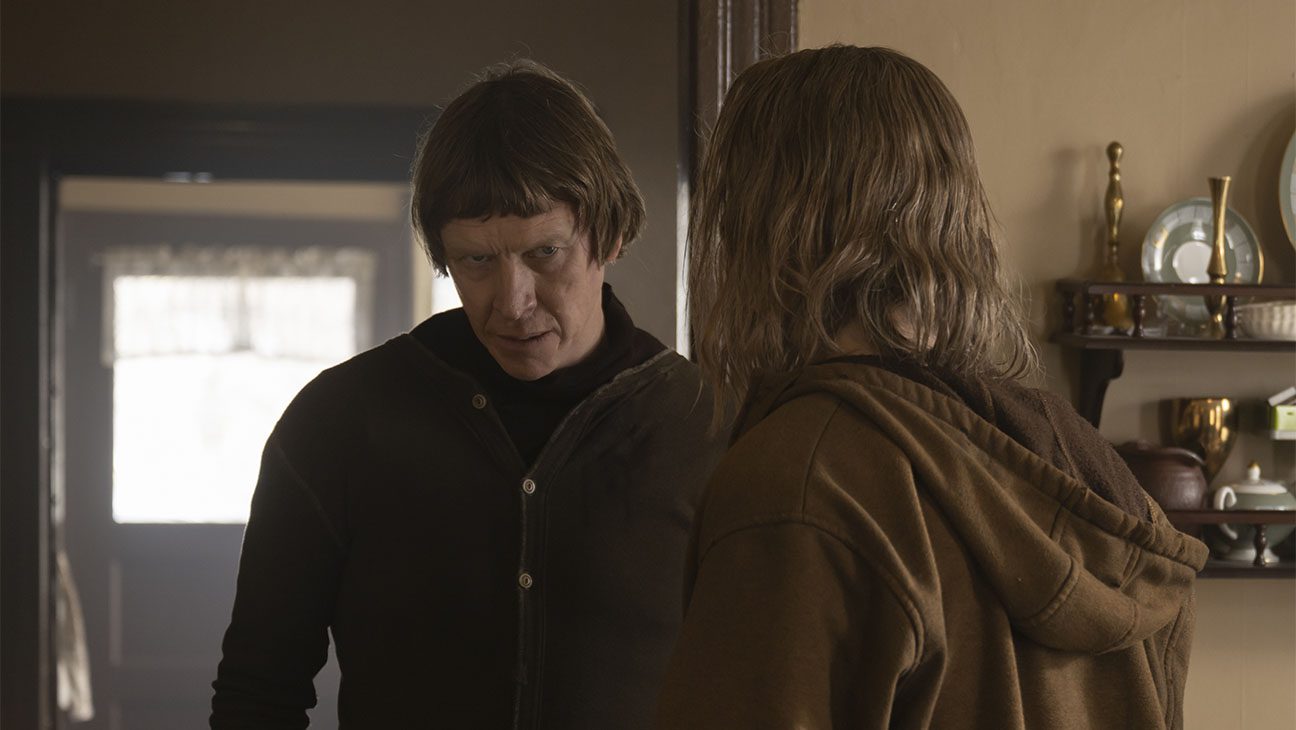
Spruell’s Prince Maekar Targaryen serves his royal dynasty roughly 90 years before the mothership series and nearly 80 years after House of the Dragon. He’s a widowed single father who’s badly missed the mark in raising his three sons, Daeron, Aerion and Aegon (“Egg”). He’s also long lived in the shadow of his more popular older brother, Prince Baelor Targaryen (Bertie Carvel), the heir to the Iron Throne. Maekar’s personal shortcomings reach their peak in and around season one’s central event: the jousting tournament at Ashford Meadow.
That’s where Maekar and Aerion (Finn Bennett) discover that Aegon (Dexter Sol Ansell) and Daeron did not arrive at the tourney as scheduled. Ser Duncan “Dunk” the Tall (Peter Claffey) then butt heads with the lunatic that is Aerion over the latter’s assault of a puppeteer, prompting Aegon to intervene on behalf of the hedge knight he’d secretly been squiring for under the alias of Egg. The drunken Daeron is soon found nearby and to clear himself of neglecting Aegon, he falsely accuses Dunk of kidnapping his youngest brother. Aerion proceeds to challenge Dunk to a “trial of seven,” in which the accused and the accuser each recruit six champions for combat.
Sensing the injustice being wrought by his own family, Baelor joins Dunk’s side in the trial. And following a hard-fought battle, Dunk compels Aerion to withdraw his accusation. Afterwards, Dunk bends the knee to Baelor before the prince unexpectedly drops dead from a fatal head wound he received at the hand of Maekar. In the finale, Maekar insists that the Gods know it was an accident, but Spruell believes his character is just telling himself what he needs to hear.
“Maekar is so susceptible to self-delusion. How handy that you can refer to the Gods knowing it’s an accident to absolve you of your crimes?” Spruell tells The Hollywood Reporter. “Kings and rulers of lands have been doing that for years, saying, ‘Well, God thinks I’m innocent,’ when clearly they’re guilty. So it’s a very good depiction of corrupt power.”
Acting on Egg’s fondness for Dunk, Maekar tries to find a compromise by offering Dunk a home at Summerhall. He can train Egg as his squire and complete his own training by way of the castle’s master-at-arms. Citing royal exhaustion, Dunk rejects Maekar’s offer and later counters by asking if he can take the young lad on the road with him. But Maekar refuses to let his royal blood live like a “peasant.”
“[Aegon] is his last chance to have an heir that’s worth anything at all and isn’t a drunk or a violent psychopath. Aegon is his last chance to succeed as a dad. That’s why he makes Dunk an offer and rejects Dunk’s offer. He wants to control it,” Spruell says. “Everything Maekar touches doesn’t work out for him, and there’s enormous vulnerability there.”
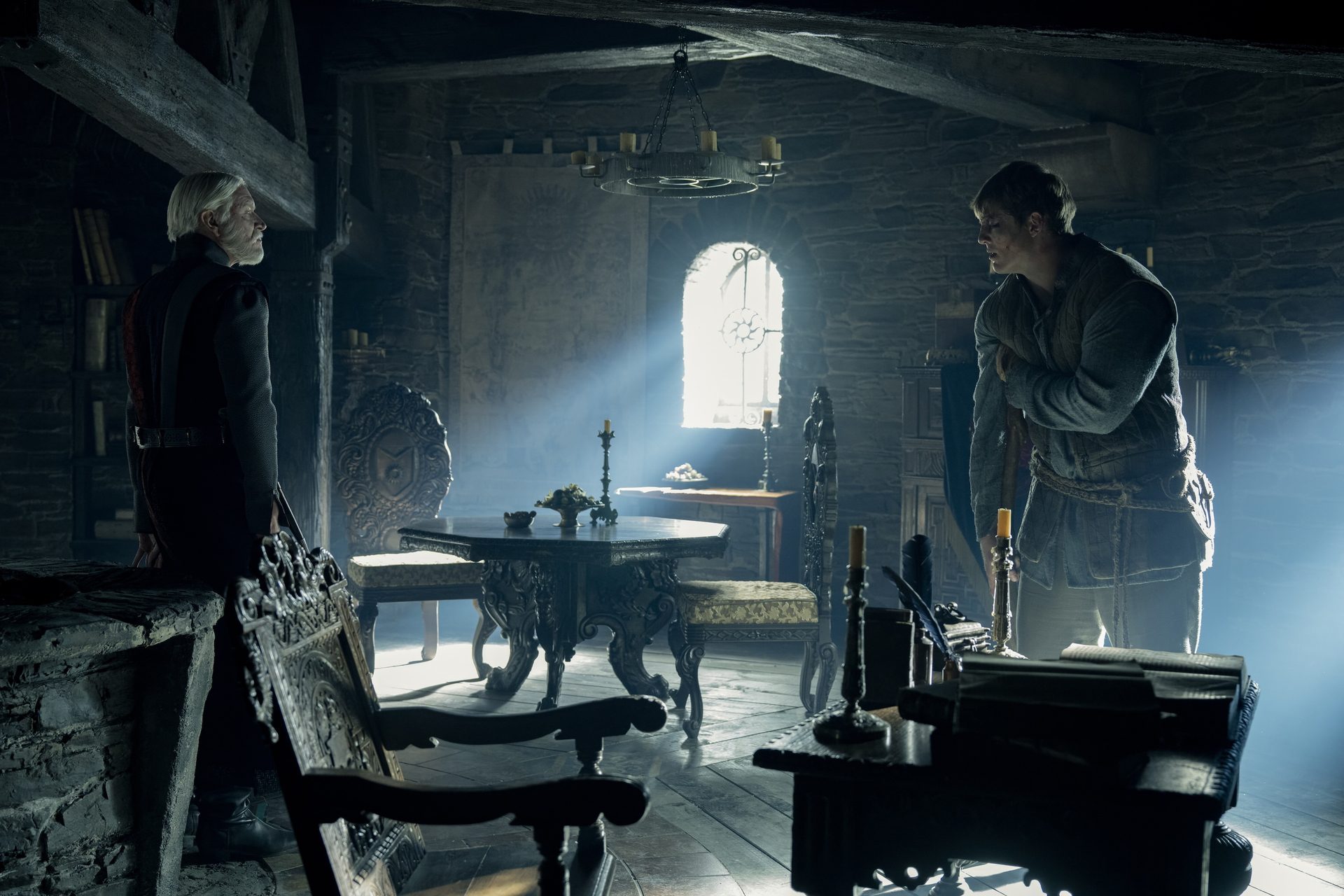
In the end, Egg gives his family the slip again in order to roam across the lands with a faux hedge knight who’s every bit as honorable as the most genuine knights in Westeros. However, he lies to Dunk about receiving Maekar’s permission to be his traveling squire. The season then concludes with Maekar yelling, “Where the fuck is he?”
“It says something about Aegon’s judgment of where he’s going to get the best paternal figure. There is a wisdom to Dunk that comes naturally and instinctually, and I don’t think Maekar will ever get close to it,” Spruell shares. “[Aegon] can see that if he’s to be the person that he wants to be, he must follow Dunk rather than his own father, which is unbelievably upsetting for Maekar. So I hope that some of that upset and humiliation will be explored potentially in future books or seasons of the show.”
While it may not be a surprise to readers of Tales of Dunk and Egg, Martin’s series of novellas about the odd pairing, Spruell confirms he will not appear in season two. “Never say never, but I’m pretty sure that there will be other stories to tell [with Maekar],” Spruell adds.
Below, during a spoiler conversation with THR, Spruell also discusses his overall thoughts on the creative “give-and-take” between source material and adaptation.
***
I had Bisquick this morning in your honor.
(Laughs.) This sounds ridiculous, but Bisquick sent me a massive supply. It went to my manager, and I’ve still got to pick it up. But it’s so funny that the Bisquick references have stuck around. I love it.
For the uninitiated, that was a reference to your unforgettable role on Fargo season five. Would you say that there’s been a Fargo effect on your career? Is A Knight of the Seven Kingdoms an example of it?
Fargo is predominantly one of the best bits of work that I’ve done. I got to work on such good writing. It may not have the sheer size of the Game of Thrones’ world and audience numbers and fan zealotry, but I’m sure there was some effect. Nothing has ever really smashed [my career] open. Most of us actors, we chip away at trying to do good work with really good people like Noah Hawley or Ira Parker. You just carry on working and hopefully something breaks it open wide enough to either get you the next job or move you up a rung into a sustained run of really good parts.
Some actors avoid source material in case it conflicts, even minimally, with the scripted material. Which way did you go with regard to Tales of Dunk and Egg, specifically The Hedge Knight?
I certainly read the latter novella that the first season is based on. The scripts and the novella are actually really close. The fans of the books seem to love the fact that the scripts follow the book so closely. So it made sense for me to read the book, and then you just have to act the script. It was not an easy one, but I knew what I was doing with it. I’m essentially playing a dysfunctional father to three quite difficult children who remind him of his own failings. So I really felt in touch with the domestic nature of it, separate from the Targaryen-Game of Thrones world.
TV actors also seem to be split on how much they should know about their long-term character arc. Some prefer to only know what their character knows at any given moment. But it sounds like you don’t seem to mind knowing the big picture.
Yeah, I see what you’re saying. Your job as an actor is to be in the moment of what your character knows at that time. So I really don’t find it confusing to know the full story and then play the scene as it should be played with the character’s existing knowledge at that point. So, no, I don’t mind it. In fact, I prefer it. The stories you hear of scripts being [withheld] from actors for certain jobs, I’m not really into that. I like to get a sense of what the piece is as a whole. You are working not just for the intricacies and development of your own character, but you are also understanding the piece as a whole and what its tone is and what other people are doing. So knowing the wider project hopefully gives me and my acting a greater depth of understanding.
George R.R. Martin did a cover story with THR recently, and his personal experience with each of the Game of Thrones’ adaptations has been a mixed bag. I do sympathize with him, but his books were once considered unadaptable due to their scale, so concessions are inevitable. Do you have any thoughts on the eternal tug of war between source material and adaptation?
I feel like that tug of war represents the creative process — not just between the source material author and the showrunner of an adaptation — but between actors, between showrunners and actors, between directors and actors. Any creative process that involves relationships is give-and-take. It is a collaboration that involves the offering and rejection of ideas, and not everyone winds up wholly satisfied in the process.
Ira has proven himself very good at keeping everyone’s ideas alive and carefully plotting a course using as many of them as he can. With regard to his relationship with Martin, he made a decision that he was going to stick very closely to the books. I think that made George happy, and it’s turned out great, so maybe there is a lesson in that.
But we’ve also witnessed adaptations that have strayed away from the source material, and they’ve still been fantastic. So I don’t think there’s any hard-and-fast rules on this. It’s just the creative process. You either get lucky and make a good piece of work, or you get less lucky. But you’ve got to try. You’ve got to risk it for a biscuit and see what turns out.
In the penultimate episode, Maekar accidentally kills his older brother Baelor (Bertie Carvel) with his mace. They only quickly showed the death blow during the trial in order to preserve the surprise for later. But did you guys still shoot a version that was more prominent in case editorial changed their mind about how they wanted to present it?
I think they were clear with what they wanted to do, but maybe they did. I wasn’t involved in that. That was my stunt double. I’d love to say that I was on the horse doing all those fights, but at that point, it became a stunt show, which I thought they did fucking fantastically. They probably would’ve had different versions where it was a more obvious, more clean presentation of what you saw.
What’s especially tragic is that Dunk had the fight wrapped up before the death blow happened. It wasn’t officially over, but it was essentially over.
Maekar, even though he knows he’s dealt that fatal blow, there’s something in him that doesn’t want to completely own up to it. He’s probably got conflicting feelings about his brother’s death anyway. He’s sad and he also knows what opportunity his death represents for his own future. So I love that ambiguity about a brother’s death meaning something tragic and also something progressive about your own life.
Yeah, Maekar later says that the Gods know it was an accident, but does he truly believe that deep down?
What I love is that you don’t really know. Maekar is so susceptible to self-delusion, and he doesn’t want to even get close to admitting that it may have been on purpose. And how handy that you can refer to the Gods knowing it’s an accident to absolve you of your crimes. Kings and rulers of lands have been doing that for years, saying, “Well, God thinks I’m innocent,” when clearly they’re guilty. So it’s a very good depiction of corrupt power.
How much did his guilt affect his decision-making in the finale? Is his offer to Dunk an example of that? What about his rejection of Dunk’s own offer?
I don’t think guilt impacted his decision-making a great deal. His youngest son, Aegon [Egg], is his last chance to prove himself as a father. He’s his last chance to have an heir that’s worth anything at all and isn’t a drunk or a violent psychopath. Aegon is his last chance to succeed as a dad. So his judgment is more clouded by a need to not fail again. That’s why he makes Dunk an offer and rejects Dunk’s offer. He wants to control it. Everything Maekar touches doesn’t work out for him, and there’s enormous vulnerability there. He is pretty much a failure as a father. I’m a dad myself, and not all of parenting is a success. So I can relate to making mistakes, but Maekar’s parenting leaves a lot to be desired.
Egg runs away to be with Dunk, but he lies to Dunk about it being approved by Maekar. His youngest son would rather spend his days with an impostor hedge knight than his own royal family. That’s got to be a real gut punch for Maekar on the heels of killing Baelor.
Yeah, exactly. It says something about Aegon’s judgment of where he’s going to get the best paternal figure and where he’s going to learn about the world in a more morally stable way. There is a wisdom to Dunk that comes naturally and instinctually, and I don’t think Maekar will ever get close to it. That’s what makes Dunk’s heroic nature so compelling. It is just in him in a way that it’s not in Maekar. So Egg can see that as well. He can see that if he’s to be the person that he wants to be, he must follow Dunk rather than his own father, which is unbelievably upsetting for Maekar. So I hope that some of that upset and humiliation will be explored potentially in future books or seasons of the show.
For those of us who are unfamiliar with the books, how much do you know about season two?
Very little. I just know that it follows the book. So, if you know the source material, then you’ll know what to expect. There will always be a slight twist on what you’ve read, and there is also more of an earthy feel to this show. There are no dragons. There is just the land and the people on it. The stripped bareness of season one will certainly maintain in season two. If anything, I think it will be stripped more bare, and you’ll really see the fabric of their being. So season two is going to be really interesting, and they’re shooting it right now.
Are you shooting something else first?
I’m not going to be in season two.
Wow, I really should read these books. Based on the finale, I assumed Maekar was going to be hot on Dunk and Egg’s heels throughout season two.
Well, we’ll see. Never say never, but I’m pretty sure that there will be other stories to tell.
Before Maekar concludes season one by asking, “Where the fuck is he [Egg]?” an updated title card appears on the screen: A Knight of the Nine Kingdoms. Do you know if that’s the official name of the show going forward?
I don’t, no. I wish I could tell you more on that, but I don’t know.
As far as your known future goes, I believe you just shot your first genuine horror movie.
Yeah, I just shot my first horror movie with a brilliant director [Jacob Chase], and it is part of the Insidious franchise [Insidious: The Bleeding World]. I play the completely deranged villain of the piece, and I loved doing it. I love being a part of the franchise because there are so many fun characters in it. It was shot in a way that was brilliantly inventive and brilliantly collaborative. I think it’s going to be great actually. We had a lot of fun with this character I played. He’s a kind of cult leader who’s a complete narcissist and completely obsessed with his own power. I just adored playing him, which might say something about me, I’m afraid.
***
A Knight of the Seven Kingdoms is now streaming in full on HBO Max.
HiCelebNews online magazine publishes interesting content every day in the TV section of the entertainment category. Follow us to read the latest news.