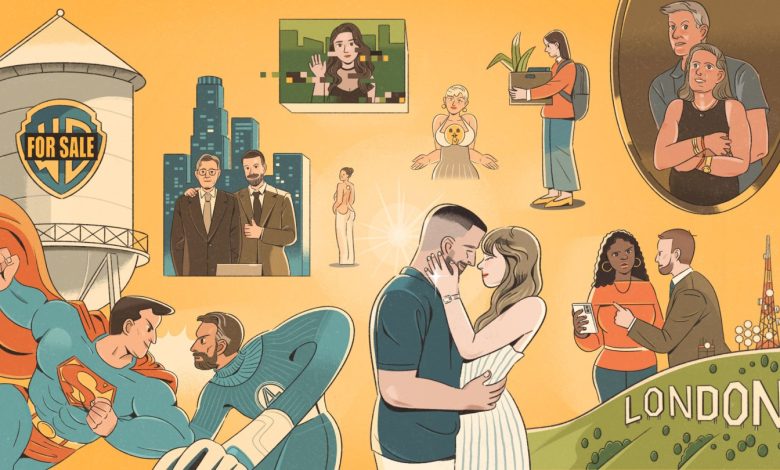
In 2025, Hollywood proved once again that it is incapable of having a normal year. Even when the business showed faint signs of life — sure, the contraction and layoffs continued, but the box office didn’t crater and streaming finally started acting like a business — the industry found new ways to surprise, unsettle and occasionally embarrass itself.




This was the year politics stopped hovering over entertainment and started meddling directly, when a long-dead Rush Hour sequel was revived by presidential edict and late night hosts found themselves in the crosshairs. There were power plays — including one that could very well alter the town’s entire landscape — along with PR skirmishes that spilled into public view and an industry increasingly at odds with the technology it couldn’t stop embracing. Culture wars erupted over jeans, naked dresses and language itself, media figures became celebrities, AI nearly got an agent and more than a few moments had nothing to do with movies or TV at all — including a raccoon in Virginia who must have awakened with one hell of a hangover.
Here, THR looks back at the 25 moments that defined 2025: the collapses and the comebacks, the pratfalls and the strange little things that somehow mattered just as much.
Gary Baum, Aaron Couch, Nicole Fell, Mia Galuppo, Julian Sancton and Steven Zeitchik contributed to this report.
-
“”
Zaslav Got the Last Laugh After All
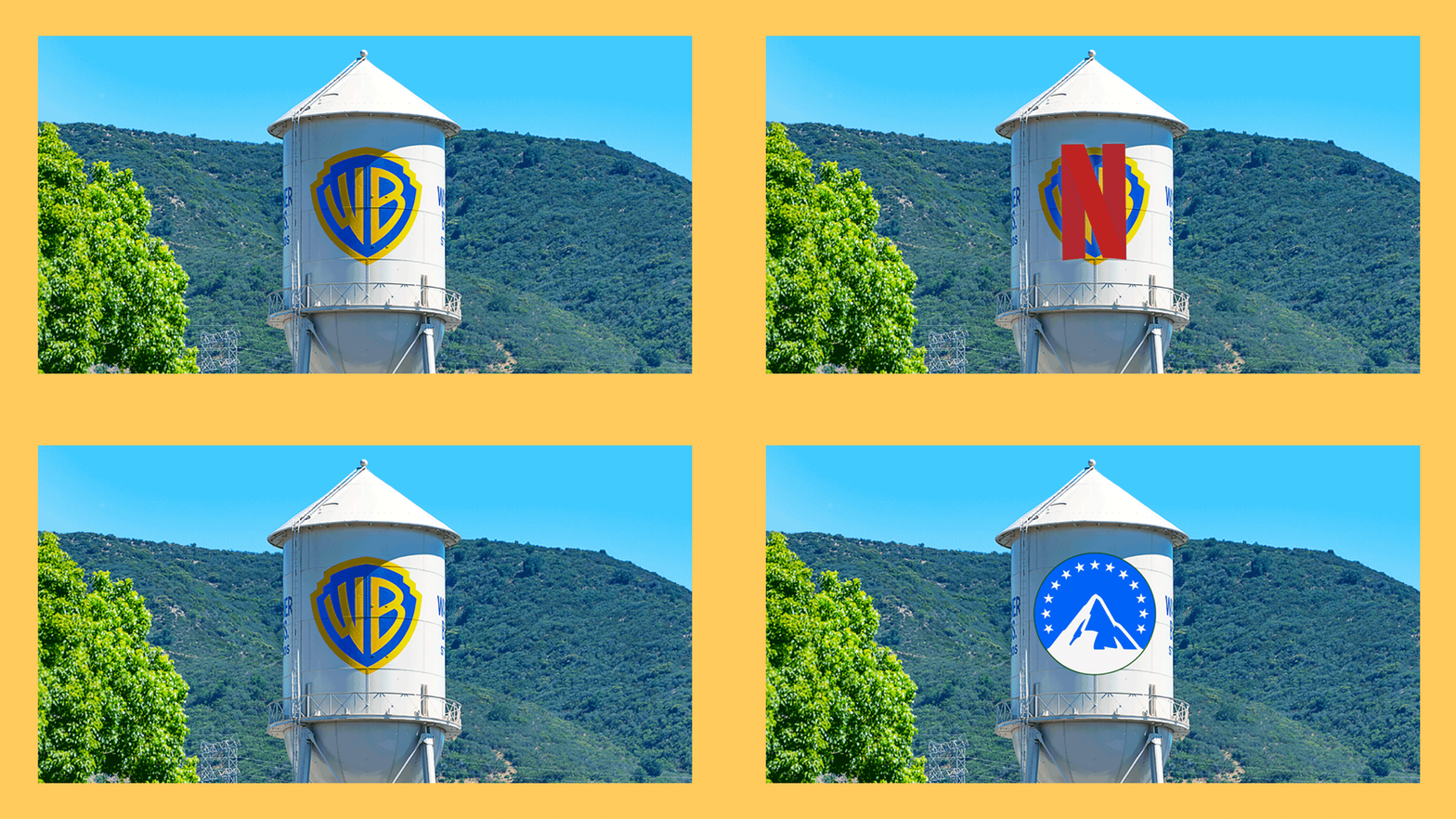
The Netflix-Paramount tug-of-war over Warner Bros. Discovery wasn’t just another merger skirmish. It was the moment, in early December, that Hollywood finally recognized the end is nigh.
At stake is more than merely who controls HBO, Warner Bros. or a vault of superhero IP. It was a fundamental question about what the entertainment business is becoming. Netflix and Ted Sarandos’ interest in WBD represents one future: a world dominated by a handful of global tech-scale platforms, where studios exist primarily to feed streaming engines. Paramount’s vision points to another possible way forward: a last attempt to fuse old-school studios, legacy TV and streaming into something that still resembles Hollywood as we’ve known it.
The fact that both visions are on the table — and that neither feels fully reassuring — is what rattled the town most. The battle is forcing executives, creatives and investors alike to confront an uncomfortable truth: The middle ground is disappearing. You’re either enormous or you’re exposed. The irony is that the only clear beneficiary so far may be WBD chief David Zaslav. Widely derided for his penny-pinching, content purges and ham-handedness with creatives — and suddenly in possession of the one company everyone wants.
“”
-
“”
DC Finally Ate Marvel’s Lunch
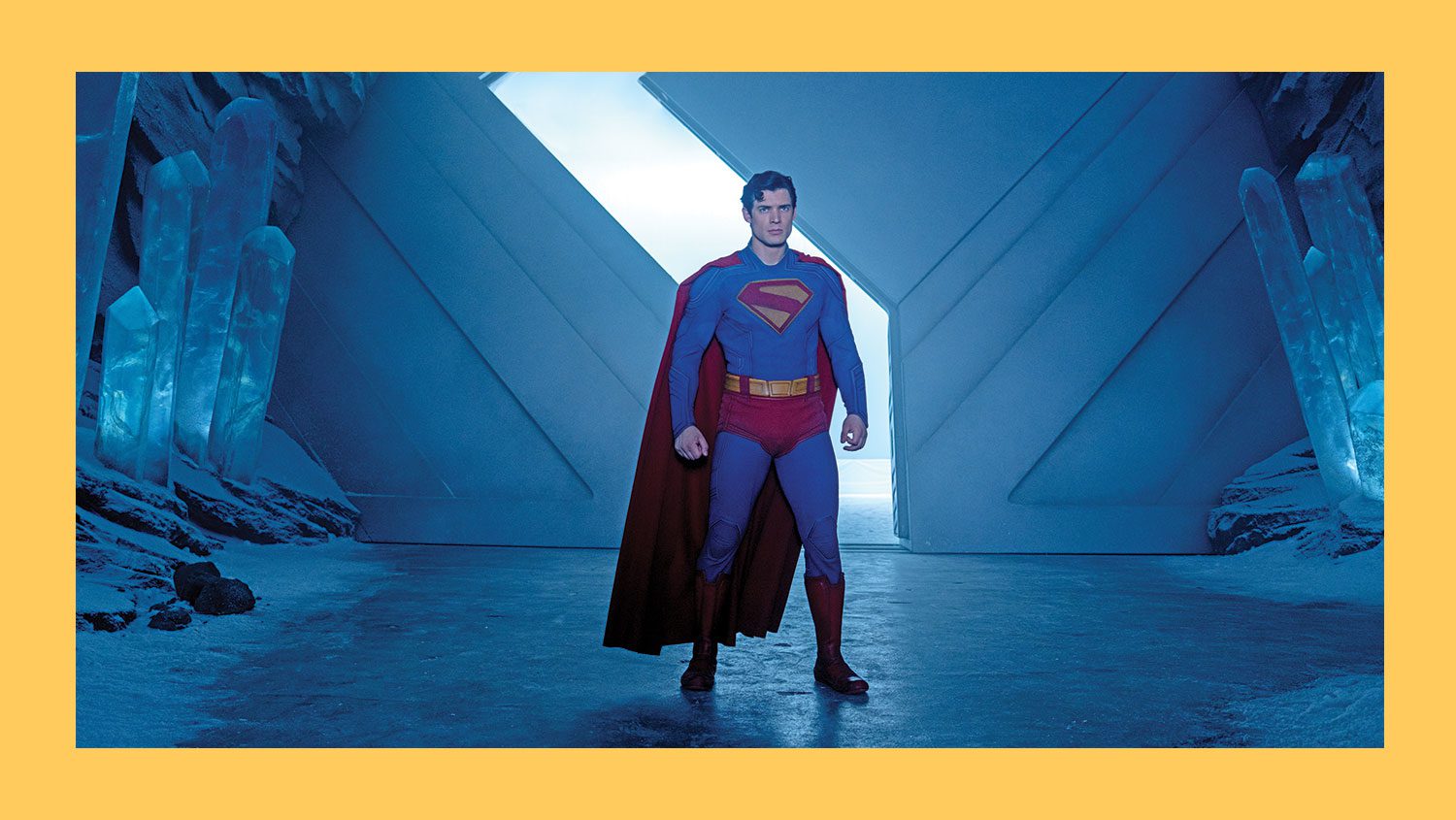
For years, the superhero pecking order was as fixed as Batman’s jawline: Marvel on top, DC brooding somewhere below. But somehow, in 2025, the capes flipped. Marvel still had Captain America and the Fantastic Four, but DC flew above its rival with Superman. James Gunn’s Man of Steel reboot opened to a $125 million weekend and went on to gross about $616 million worldwide, outpacing Fantastic Four: First Steps ($522 million), Captain America: Brave New World ($415 million) and Thunderbolts ($382 million). Superman ended up as the highest-grossing superhero movie of the year — Marvel’s first loss at the box office since the MCU era began.
“”
-
“”
Tilly Norwood (Almost) Got an Agent
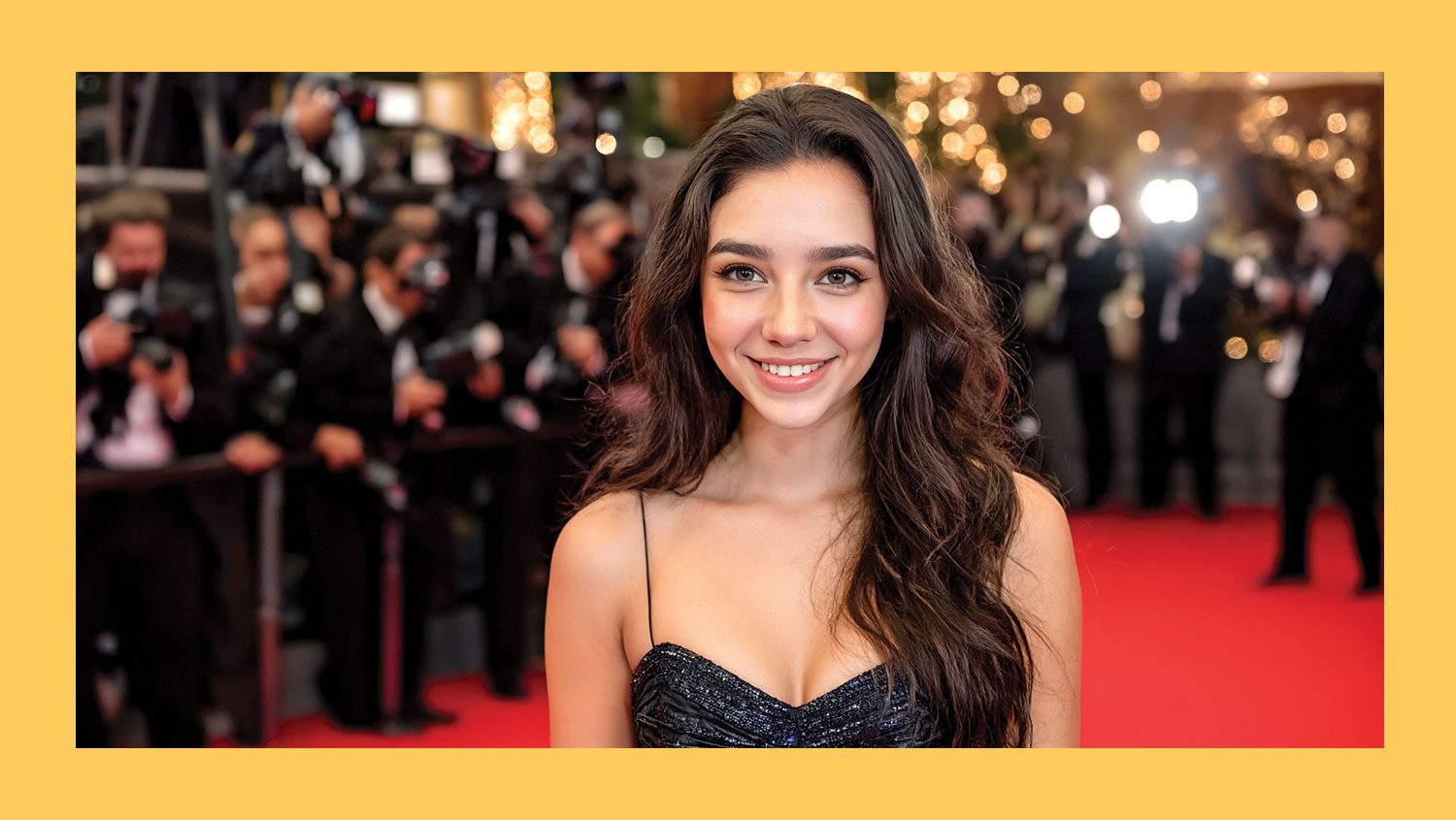
Hollywood discovered a new thing to panic about: an actress who doesn’t eat, sleep or negotiate — because she isn’t real. Tilly Norwood, an AI-generated “performer” built by producer Eline Van der Velden’s London company Particle6 and its AI studio Xicoia, went from eerie experiment to industry flashpoint the moment it emerged that talent agencies were circling her for representation. The backlash was immediate and very human: Stars fumed and SAG-AFTRA issued the kind of statement that basically screams, in union type, “This is not an actor.” Van der Velden insists Tilly isn’t meant to replace anyone — she’s an “AI genre” creation, closer to animation than live action, and a new tool for storytelling. Either way, Tilly’s near-signing turned an abstract fear into a casting conversation — and set off the year’s loudest existential group text.
“”
-
“”
2025’s Cutest Party Animal
Now we know why raccoons wear masks. The one that busted into a liquor store in Virginia, smashed a bunch of bottles and was captured on security footage passed out next to a toilet is going to be living down that episode for years. The images went viral and turned the critter into the most famous party animal since Charlie Sheen Prediction for 2027: a part in Zootopia 3 (2 had the biggest PG opening ever in 2025).
“”
-
“”
The Ballad of Sweeney’s Bod

It was just a denim ad. And then it absolutely wasn’t.
Sydney Sweeney’s American Eagle campaign — built around the groan-worthy line “Sydney Sweeney Has Great Jeans” — detonated into one of the year’s strangest culture-war flare-ups, with critics online accusing the wordplay of everything from tone deafness to flirting with white-supremacist dog whistles. Suddenly, a mall brand was being litigated like a manifesto.
The controversy quickly attracted an unlikely supporting cast, from Megyn Kelly to Donald Trump, both eager to claim the ad as evidence of something … larger. As the discourse metastasized, Sweeney largely stayed quiet. In December, she finally addressed it, saying she opposed “hate and divisiveness” and expressing surprise at the backlash.
What the episode ultimately revealed had less to do with jeans — or genes — than with celebrity in 2025: how quickly a branding exercise can be reframed as ideology and how little control a star has once the internet decides a campaign means more than it was ever meant to.
“”
-
“”
The Horror, the Horror
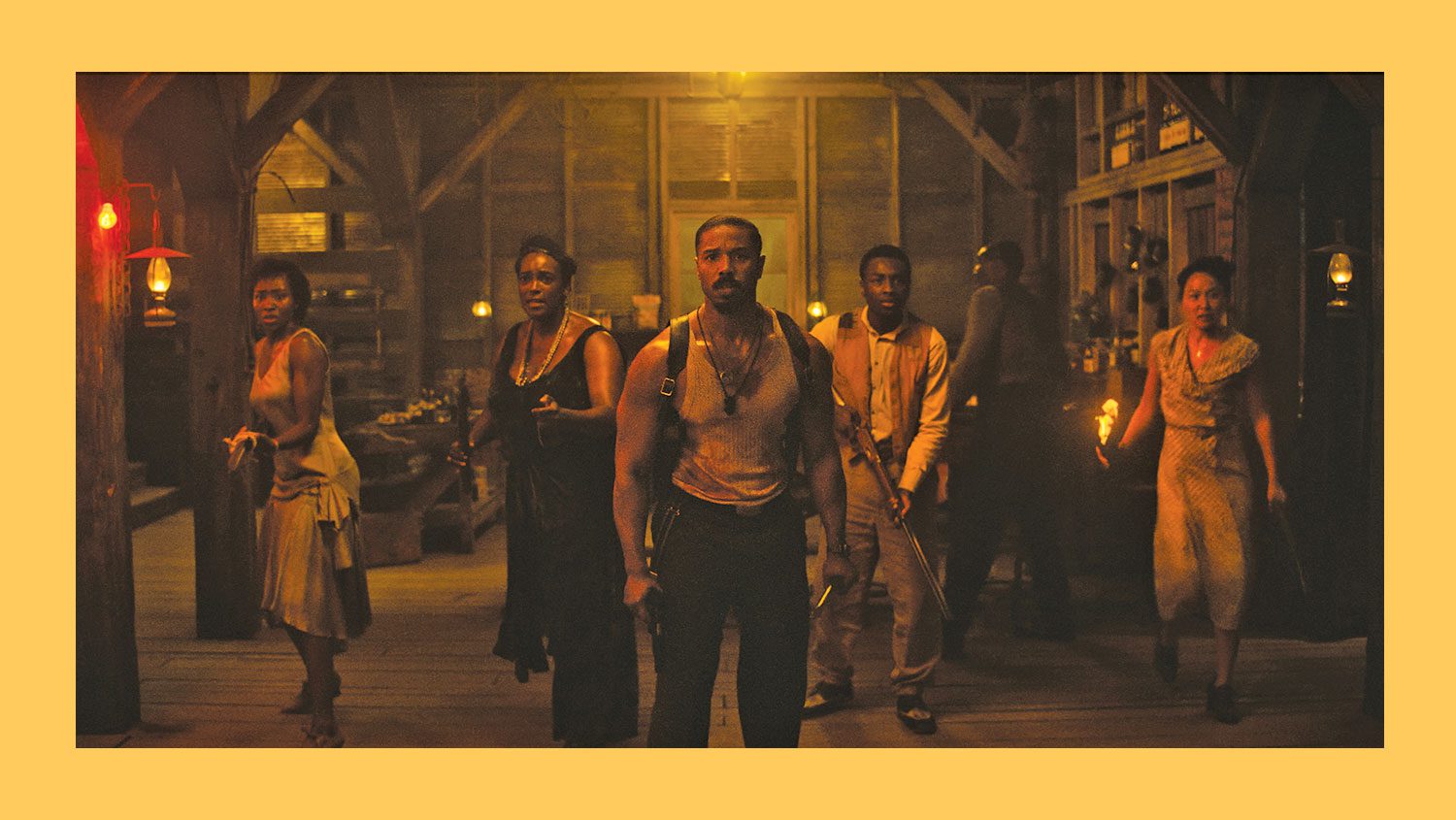
This year, Hollywood had nothing to cheer but fear itself. As aging franchises and familiar reboots sputtered at the box office, a pair of original horror films scared up hundreds of millions of dollars in ticket sales. Ryan Coogler’s vampire film Sinners grossed $367.8 million worldwide on a $90 million budget and improbably emerged as an awards season contender, with a best picture Oscar nomination widely expected. That success came after plenty of industry snickering over Coogler’s deal, which allows him to eventually reclaim the rights to the property. Warner Bros. doubled down through its New Line division, shelling out $38 million for Zach Cregger’s Weapons, including a $10 million payday for the filmmaker. The risk paid off: The small-town nightmare that begins when 17 grade-schoolers vanish overnight went on to gross $268.2 million globally. The punch line: One of the year’s most celebrated original horror hits is poised to become a franchise, with a prequel centered on Amy Madigan’s Aunt Gladys in the works.
“”
-
“”
Hollywood Moved to London
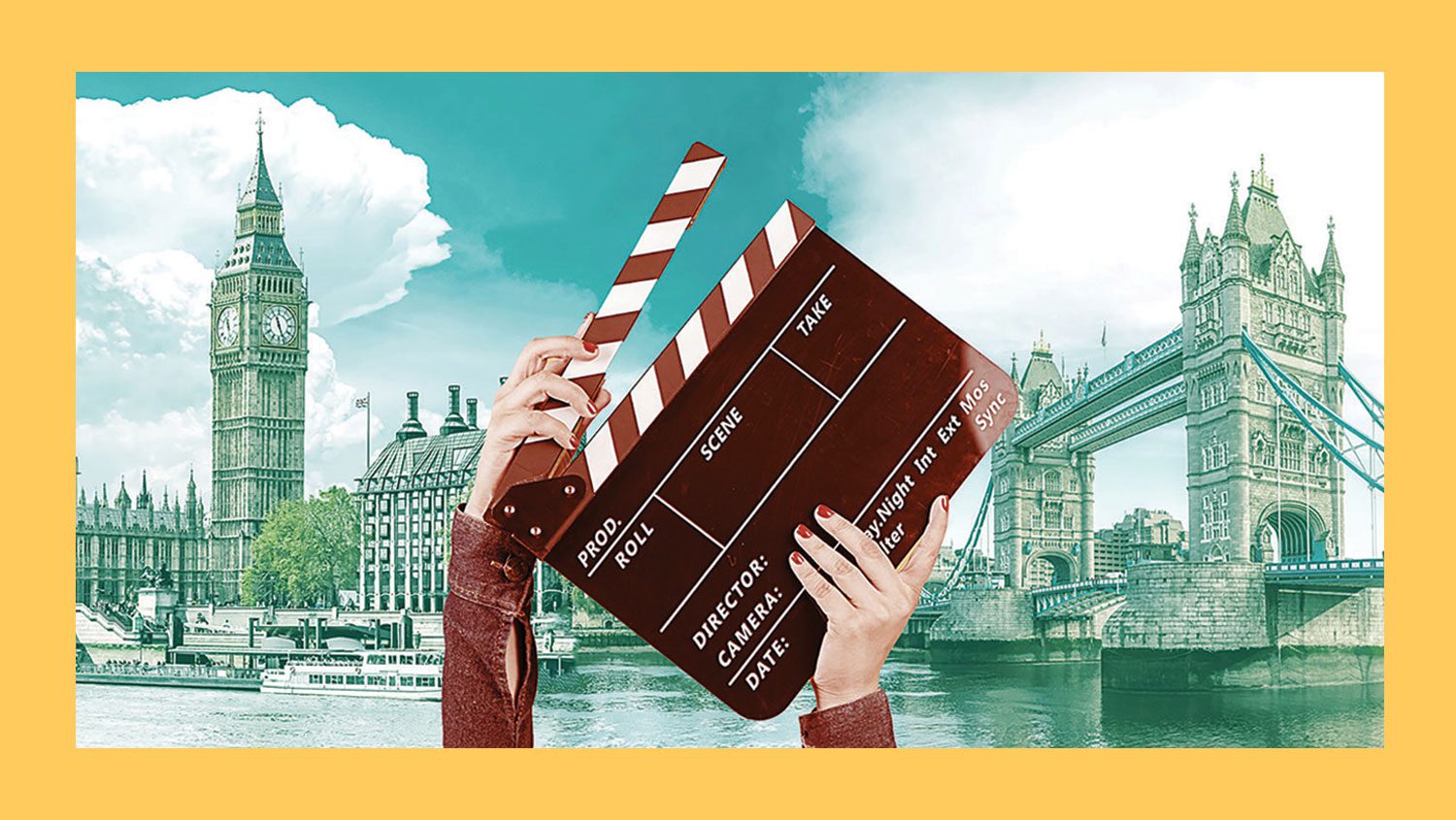
By 2025, London had become what Los Angeles used to be: busy. As L.A. soundstages sat half-empty, Britain’s capital was booked solid, buoyed by aggressive tax incentives, deep crews and a political climate many Hollywood creatives found easier to stomach than Trump’s second term. Film London projects 9.5 billion pounds in production investment over five years, with studios like Pinewood, Ealing and Shinfield operating at capacity and streamers expanding their U.K. footprints. The math is hard to ignore. U.K. producers can claw back as much as 40 percent in tax relief, with richer incentives for VFX and indie films. Infrastructure seals the deal: world-class stages, experienced crews and proximity to Europe. Add in immigration headaches, tariff threats and a 40 percent post-strike production slump in the U.S., and the shift feels structural, not cyclical. London didn’t steal Hollywood’s crown — Hollywood left it on the table.
“”
-
“”
Late Night Jitters: Kimmel Survived, Colbert Didn’t
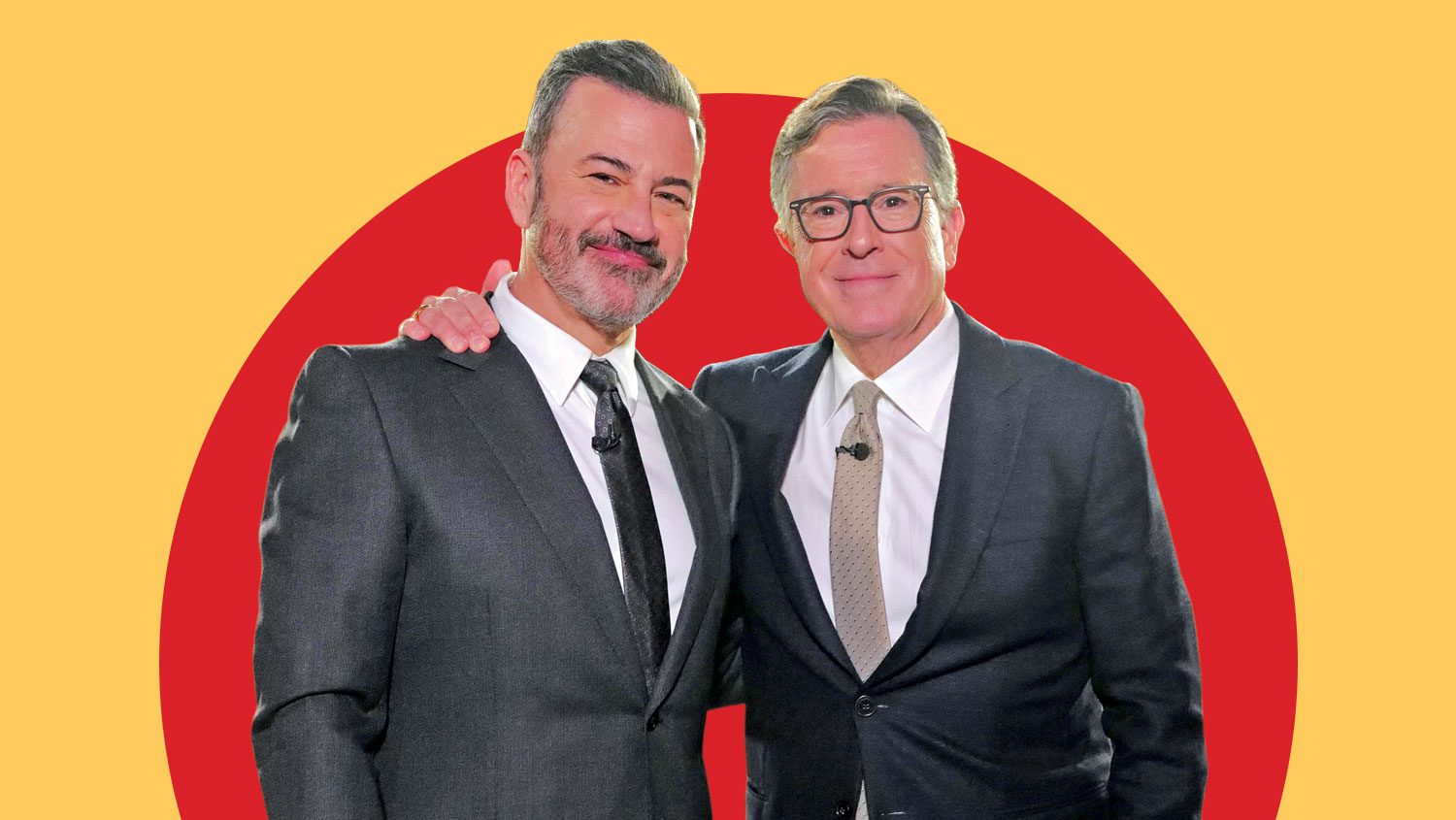
Late night TV has long doubled as a political battlefield. But in 2025, the casualties became unmistakably real. The most dramatic hit came in July when Stephen Colbert announced during a taping of The Late Show that CBS would end the franchise in May. Colbert said he’d been told the move was “purely a financial decision,” though he also allowed that it was “reasonable” to wonder whether his years of pointed criticism of Trump played a role.
The timing raised eyebrows. CBS parent Paramount Global was seeking government approval for its Skydance merger, while Trump was locked in a legal war with 60 Minutes that ended in a $16 million settlement just two weeks before Colbert’s show was axed.
With Colbert on the way out, the spotlight shifted to Jimmy Kimmel — and briefly, his future looked shaky. In September, after a comment involving Charlie Kirk, Jimmy Kimmel Live! on ABC — owned by Disney — was put on “indefinite” suspension. Kimmel ended up back on the air just three nights later, thanks to widespread backlash and a wave of Disney+ cancellations. By December, ABC had renewed Kimmel for another year, underscoring a late night reality in 2025: Politics can still cost you a show — unless the audience decides otherwise.
“”
-
“”
Fire and ICE: L.A.’s Natural (and Unnatural) Disasters

In 2025, Los Angeles was battered by two kinds of disaster: one natural, the other entirely man-made.
In early January, wildfires tore through Pacific Palisades and Altadena, displacing thousands, including large swaths of the entertainment industry. Long after the headlines faded and the fundraisers ended, many residents remained scattered, trying to rebuild their lives amid an industry already in free fall.
Then, in June, a devastated city endured the injury of an invasion by the Marines and National Guard as L.A. became a front line in the Trump administration’s deportation crackdown. Thousands of immigrants were arrested in often-violent ICE raids, separating families, disrupting employers and traumatizing entire communities. The escalation sparked mass protests and marked the first presidential deployment of troops to Southern California since the Rodney King riots 30-plus years ago.
“”
-
“”
The Year Everyone Got Laid Off

It was easier to name the entertainment companies in 2025 that didn’t lay people off than the ones that did — assuming you could find one. The cuts came fast and everywhere. Disney shed hundreds of jobs in June. In July, Warner Bros. Motion Picture Group announced plans to eliminate 10 percent of its workforce. Lionsgate followed in September, cutting 5 percent after having already lost 8 percent earlier in the year. Paramount delivered one of the biggest blows in October, slashing 2,000 jobs ahead of its Skydance merger. Smaller outfits weren’t spared: Anonymous Content, Fifth Season and Blumhouse all went down in size as well. But hey — at least the therapists were working.
“”
-
“”
Matt Belloni Became an Actual Celebrity …
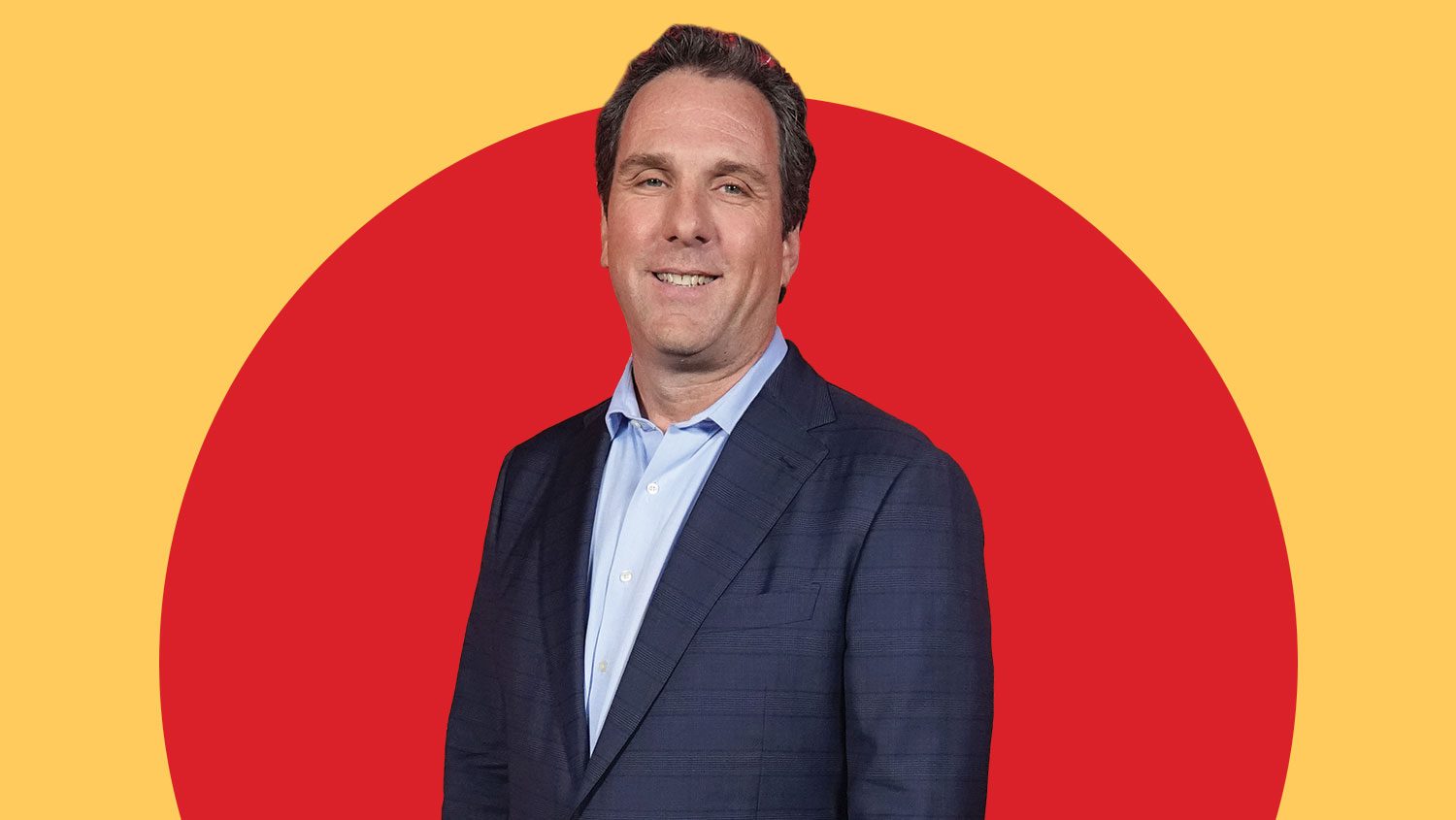
In 2025, Hollywood’s loudest inside voice became part of the show. Matt Belloni — the brain behind Puck’s What I’m Hearing and host of the influential The Town podcast — graduated from industry gossip kingpin to borderline celebrity, with an extended cameo on Seth Rogen’s The Studio and a full New York Times profile. He also popped up in Vanity Fair’s Hollywood portfolio and inspired an invite-only, star-studded Hollywood WhatsApp chat, Matt Baloney. Not bad for a guy whose previous biggest job was editing some obscure pamphlet called The Hollywood Reporter.
“”
-
“”
… So Did Olivia Nuzzi
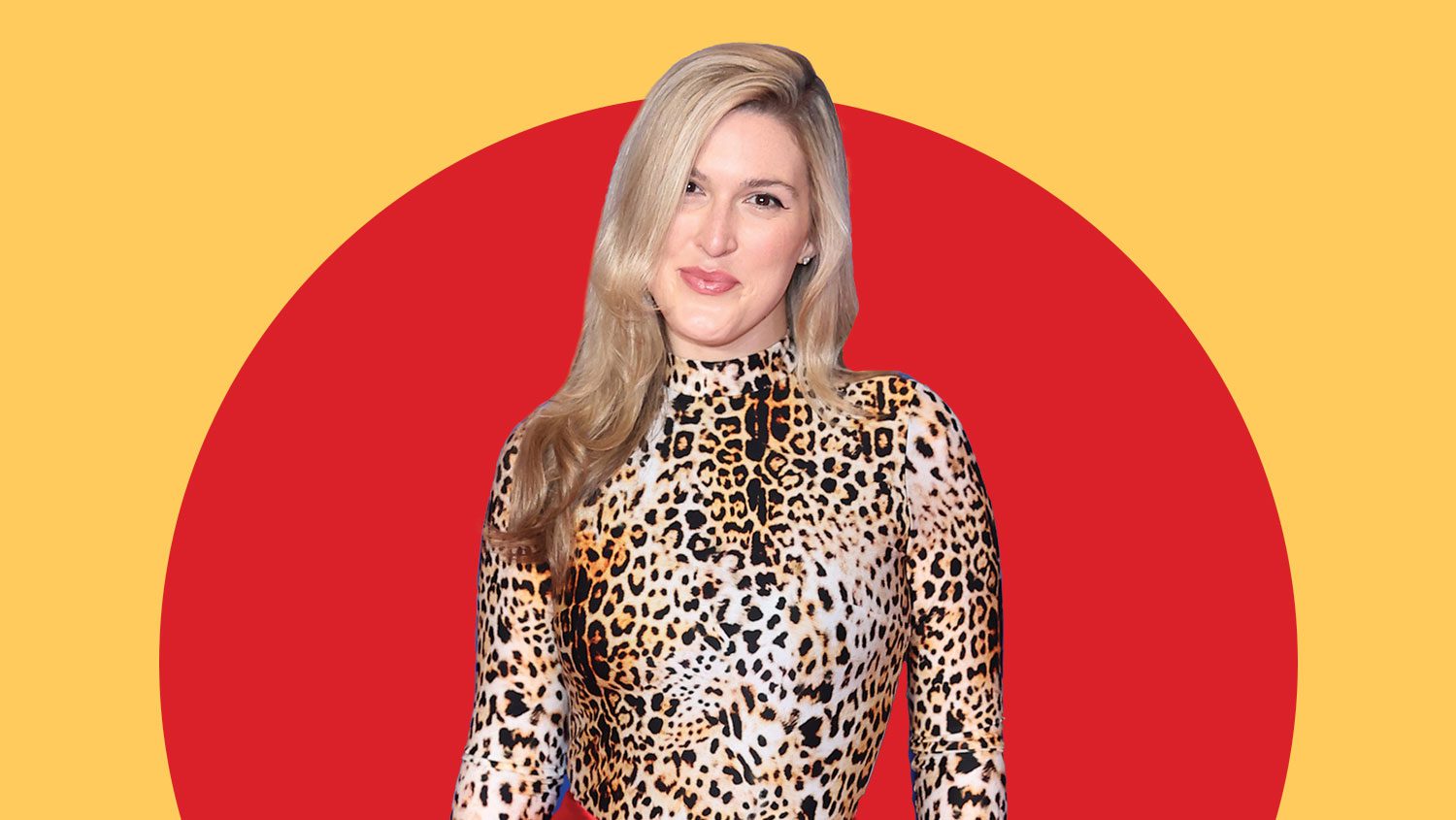
It had everything a media scandal could ask for: an affair with a presidential candidate — oh wait, was it two? A spurned lover, Ryan Lizza, Substacking his revenge with a series of increasingly incendiary hit notes. A once-glittering career hanging in the balance (she parted ways with Vanity Fair after only three months on its masthead). Out of nowhere, the celebrated former New York magazine writer — currently hiding out in Malibu — became the hottest gossip story of the year after her sex-texting relationship with Robert F. Kennedy Jr., now Trump’s secretary of Health and Human Services, went public. Nuzzi’s book about the experience, Amerian Canto, launched with a glowing profile in The New York Times. But her ex’s perfectly-timed revenge campaign—the first installment posted a day before Canto‘s debut— tanked the book’s sales and turned its author into a reluctant tabloid staple.
“”
-
“”
Movie Stars Got (Even) Smaller — and Not Just Because of GLP-1
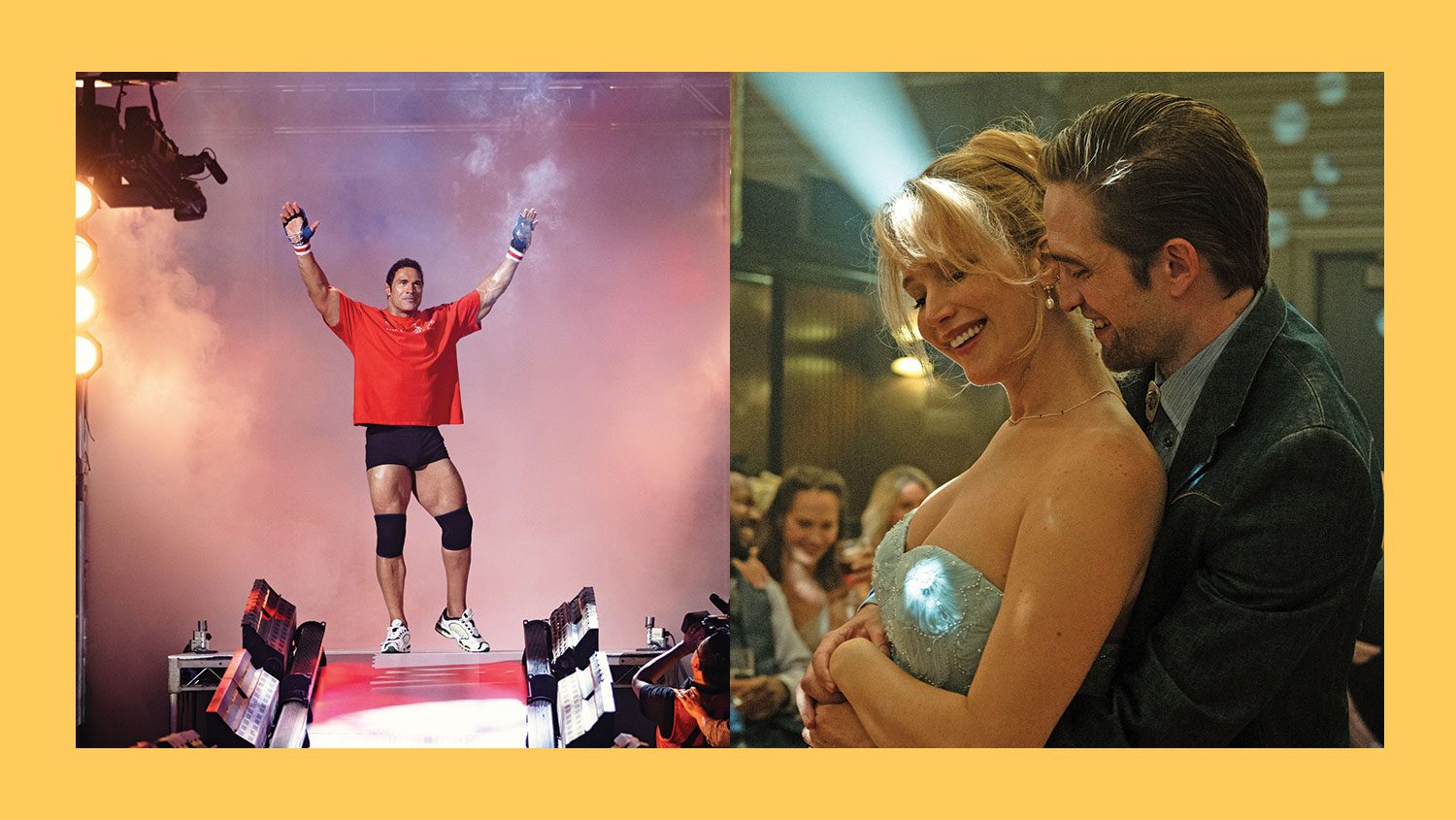
For years now, we’ve been told that movie stardom is dimming. But in 2025, it felt like the lights finally went out completely. Dwayne Johnson couldn’t muscle audiences into theaters with The Smashing Machine, grossing just $11 million domestically. Jennifer Lawrence’s Die My Love went nowhere at $5.5 million. Julia Roberts’ After the Hunt tanked with $3.2 million. Even Glen Powell — long pitched as the millennial answer to Tom Cruise — stalled badly with The Running Man, grossing under $40 million in North America on a reported $100 million-plus budget. As for Cruise himself? This year’s Mission: Impossible installment failed to crack $200 million domestically, a sobering drop for a franchise that usually flies much higher. Of course, there were a few bright spots — Brad Pitt’s F1 raced to $189 million — but they were few and far between. Yes, the biggest hit of the year had movie stars Jason Momoa and Jack Black, but the biggest draw was that blocky animated chicken, which helped Minecraft crack $423 million domestically.
“”
-
“”
Guess Who Had Some Notes
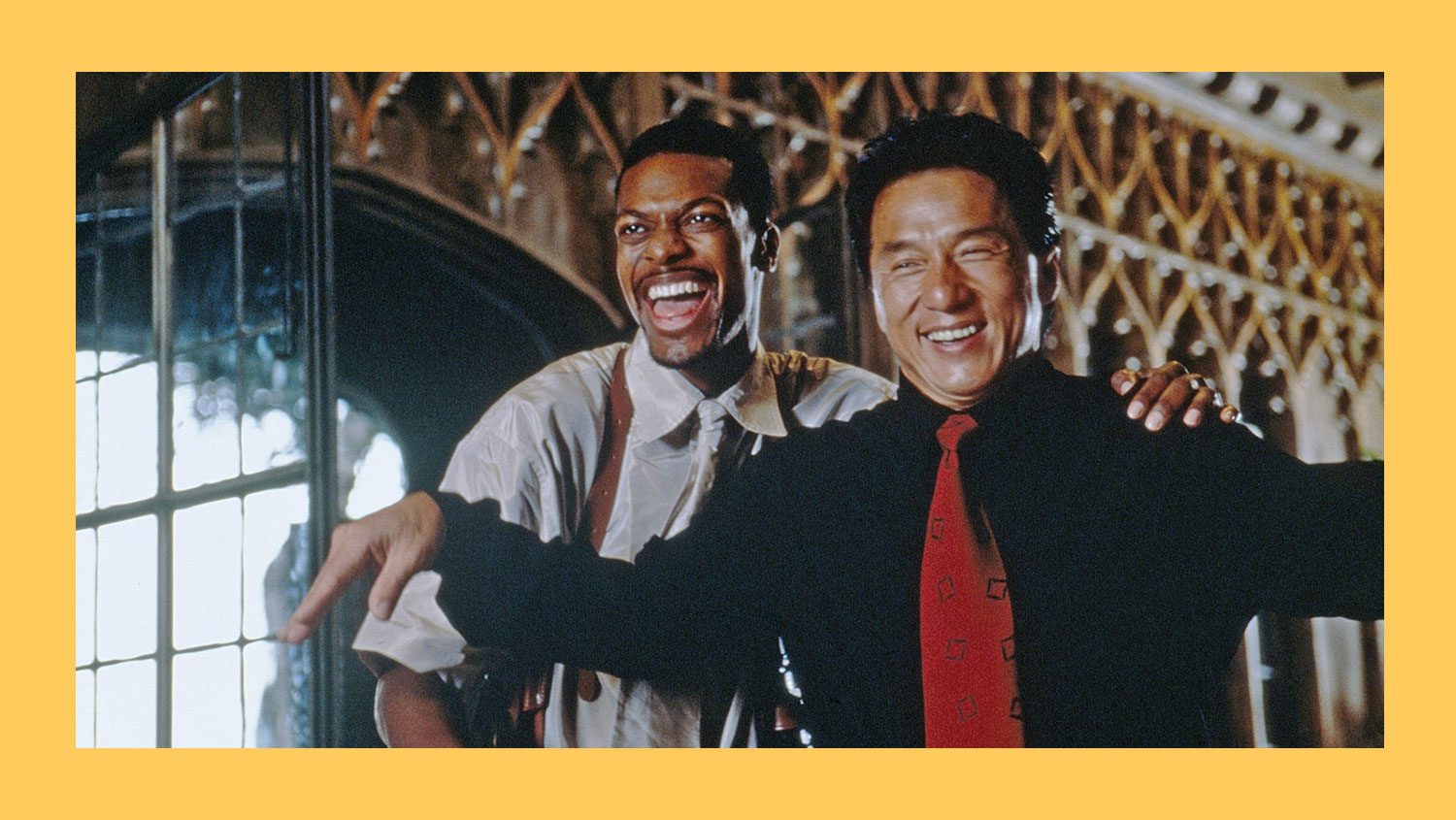
In 2025, Hollywood discovered a new kind of notes call: the one where the president is on the line. The strangest case study arrived in late November when Paramount agreed to distribute Rush Hour 4 — a sequel many in town assumed was permanently parked — after Trump personally pushed for it.
If nothing else, it was another win for alleged sexual harasser Brett Ratner, who is also directing a reported $40 million Melania Trump documentary for Amazon — a deal that bought rare access and plenty of side-eye in an industry that hadn’t exactly been clamoring for his return.
At the same time, Trump spent the year publicly jawing at late night television — calling for Stephen Colbert’s removal, cheering disruptions around Jimmy Kimmel — while floating broader threats against what he labeled “anti-American” entertainment. By year’s end, the message to Hollywood was unmistakable: This administration wasn’t just watching the culture, it was trying to program it.
“”
-
“”
The Emperor’s New Dress
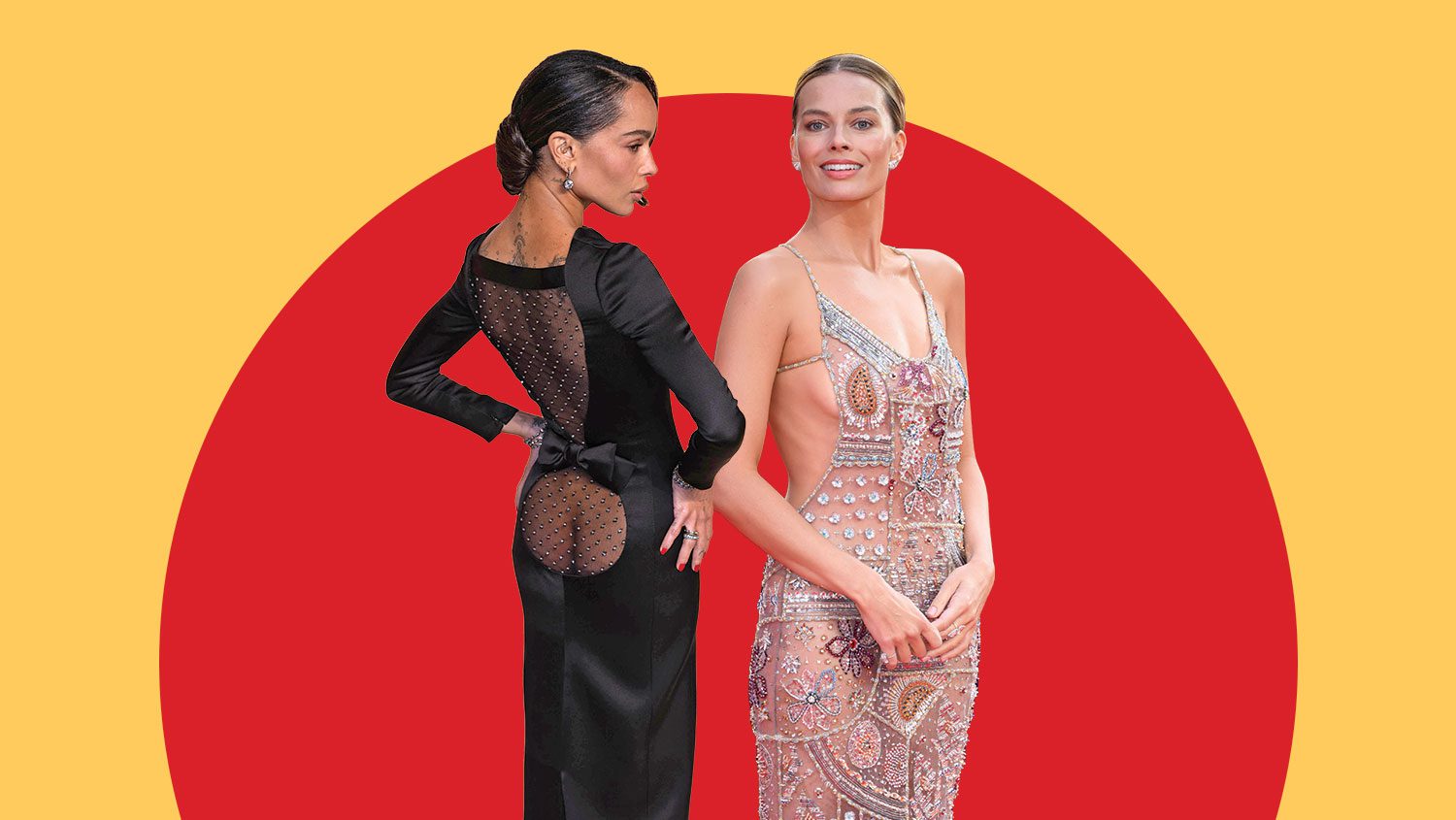
It was an Emperor’s New Clothes kind of year in Hollywood — if the emperor wore Mugler. The tone was set early at the Grammys when Bianca Censori — Kanye West’s wife, for those just tuning in — showed up wearing what appeared to be an enthusiastic misunderstanding of fabric. The internet melted down, security reportedly intervened and red carpets everywhere quietly updated their tolerance levels. From there, it was sheer escalation. At Vanity Fair’s Oscar party, the vibe skewed less “fashion risk” than “polite burlesque.” The Met Gala followed, with Zoë Kravitz, Kendall Jenner and Margot Robbie opting for strategic transparency, proving that if you’re going to wear nothing, it helps if it’s custom. Cannes tried to fight back by banning naked dresses outright, a move that mostly served to remind everyone how dominant the look had become. By the end of the year, the naked dress wasn’t shocking or subversive — it was simply efficient. In a crowded attention economy, it remained the fastest way to cut through.
“”
-
“”
Kiss Kiss, Bang Bang
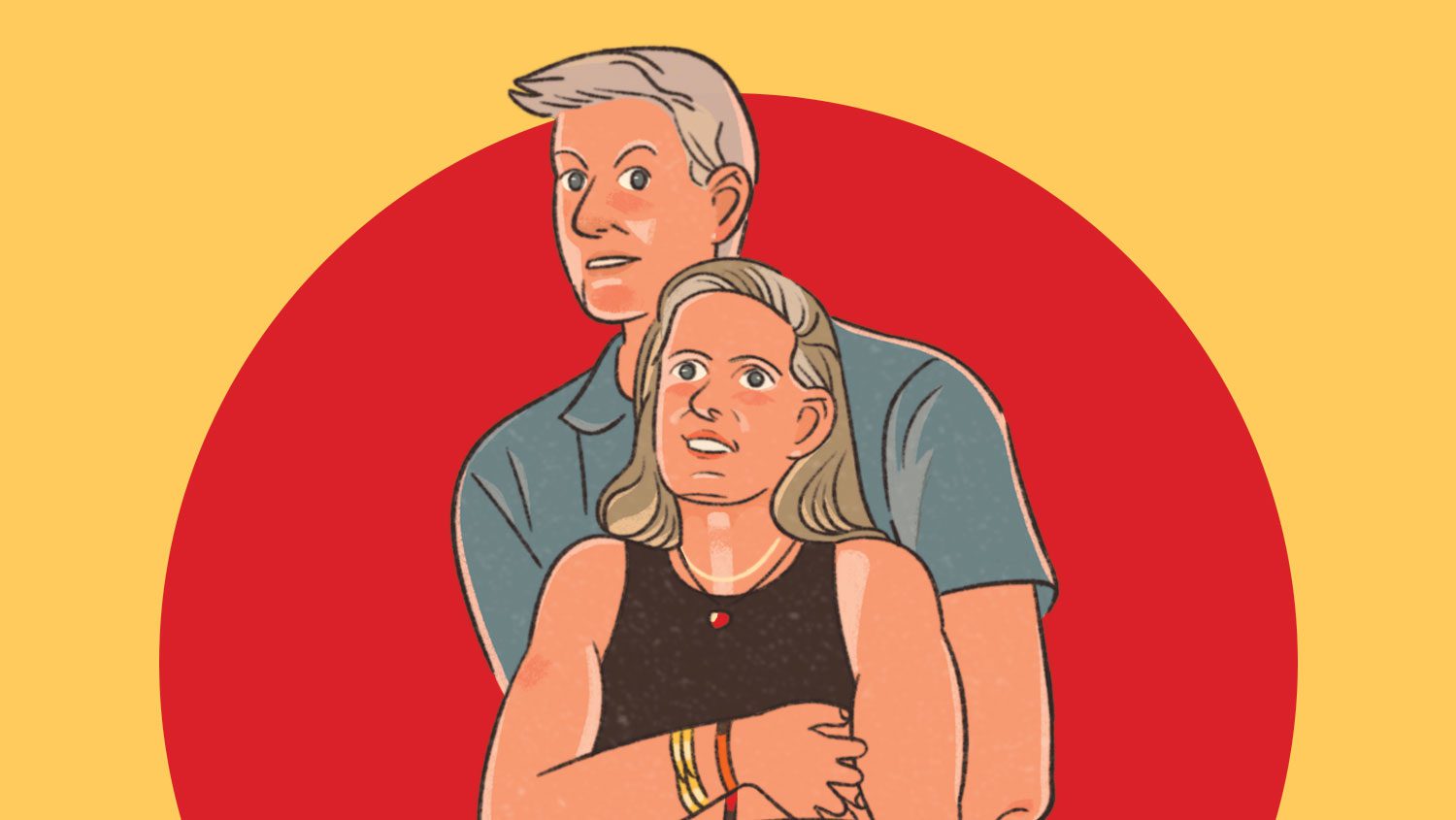
A kiss is just a kiss — unless, of course, it gets captured on a giant screen at a Coldplay concert for all to see, including the kissers’ spouses. In what quickly became one of the year’s most viral moments, last summer the house cameras at Gillette Stadium in Massachusetts landed on a canoodling couple whose immediate, unmistakable panic — face covering, seat abandoning, full fight-or-flight — suggested this was not a smooch meant for public consumption. Online sleuths quickly identified the pair as senior executives at the same company, and that the woman worked in HR at a firm the man ran — a detail that only intensified the scrutiny.
“”
-
“”
Huntrix Went Global
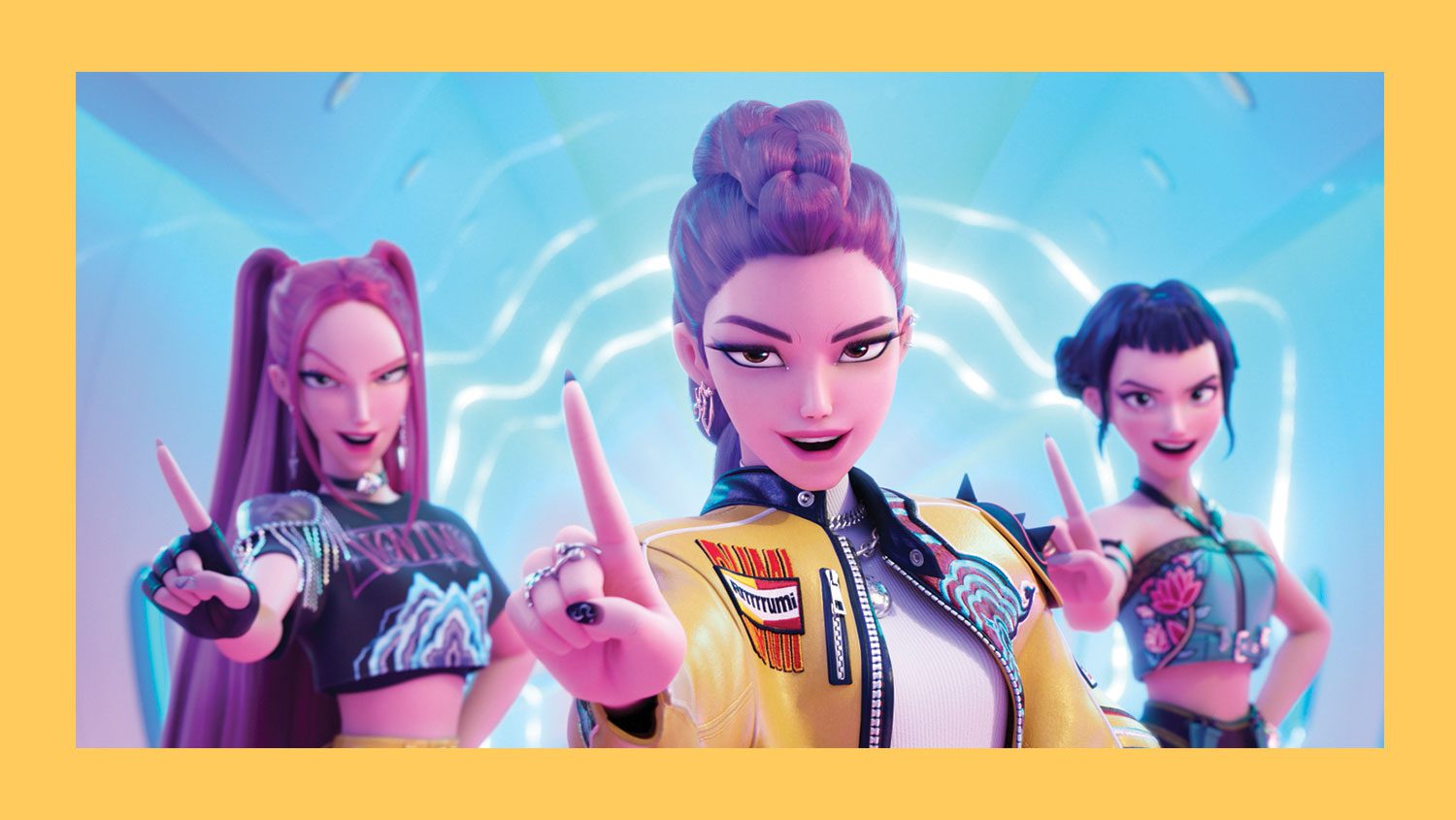
Perhaps the most unexpected hit of 2025 came wrapped in a purple braid, choreography and holy swords. Netflix and Sony Pictures’ KPop Demon Hunters — an animated fantasy about a fictional girl group, Huntrix, who top the charts by day and slay demons by night — sounded like a niche swing on paper. Instead, it became a full-blown phenomenon. The film broke out far beyond K-pop fandom, functioning as a genuine four-quadrant hit powered by the infectious anthem “Golden,” which improbably topped the Billboard Hot 100. Videos of kids belting the song — in English and Korean — flooded social media, turning a cartoon soundtrack into a global sing-along. Huntrix even got a float at this year’s Macy’s Thanksgiving Day Parade.
“”
-
“”
The Year the F-Word Got Boring
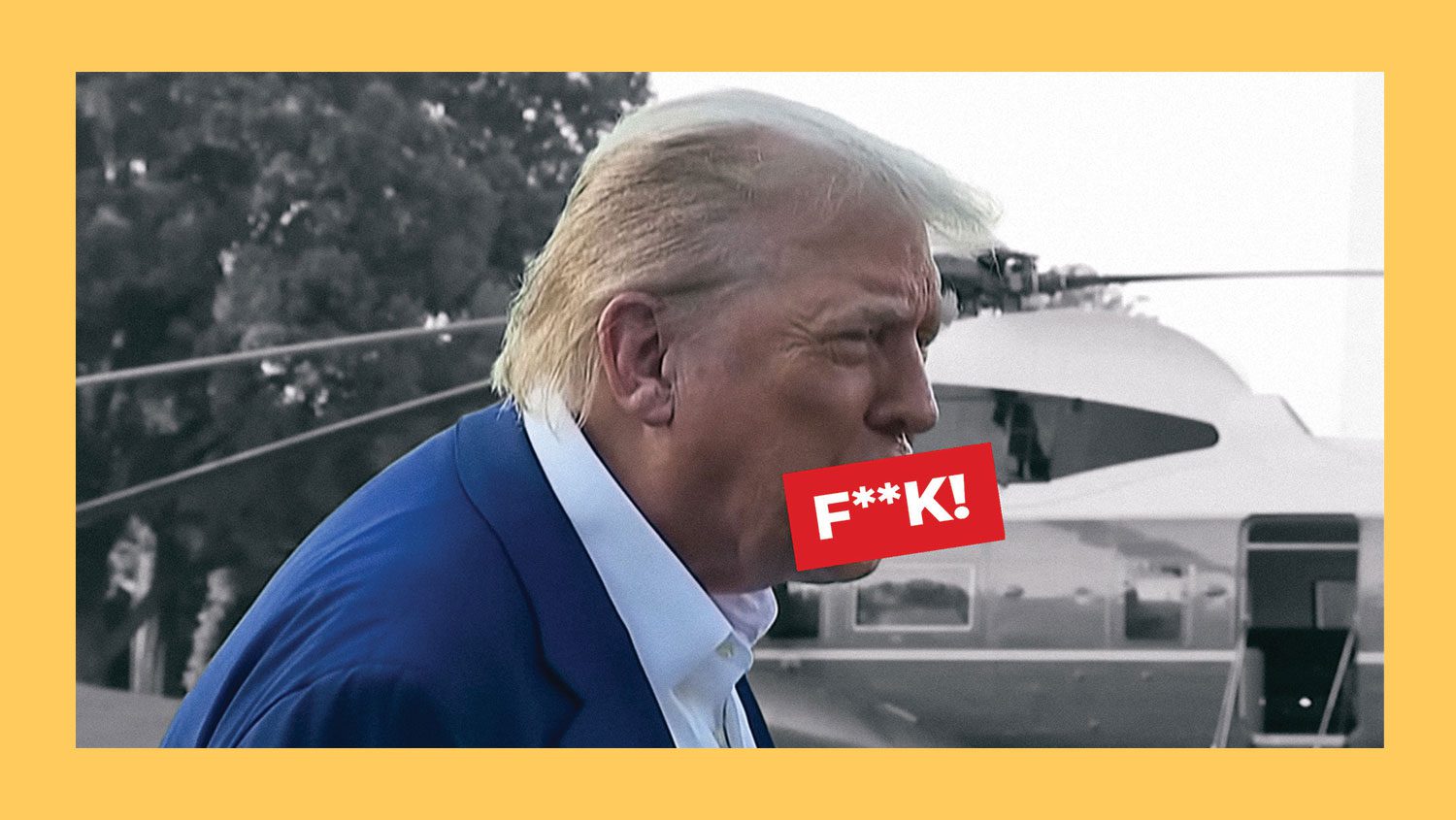
America finally ran out of fucks to give — or maybe had too many? Either way, the F-word had a moment in 2025, popping up pretty much everywhere you tuned in.
Trump helped. During a live interview about the Israel-Iran war, the president casually dropped it — emphatically, repeatedly — then followed up with, “Do you understand that?” The moment ricocheted around the world, prompting pearl-clutching headlines, explainer essays and, in a small but telling shift, The New York Times opting to print the word outright rather than reach for its usual euphemisms.
But Trump wasn’t alone. Democrats had been loosening the guardrails for months. At a rally, Rep. Maxine Dexter memorably declared, “I don’t swear in public very well, but we have to fuck Trump,” a line that landed somewhere between catharsis and grammatical cautionary tale.
By then, Hollywood had already done much of the normalizing. Streaming’s anything-goes standards and blockbuster movies that treated profanity as punctuation had drained the word of its remaining shock value. Consider the year’s pop-culture math: Deadpool & Wolverine reportedly clocked 116 “fucks” and thrived. Disney’s Snow White offered none — and cratered. Make of that what you will.
“”
-
“”
Disney Sued AI — Then Embraced It
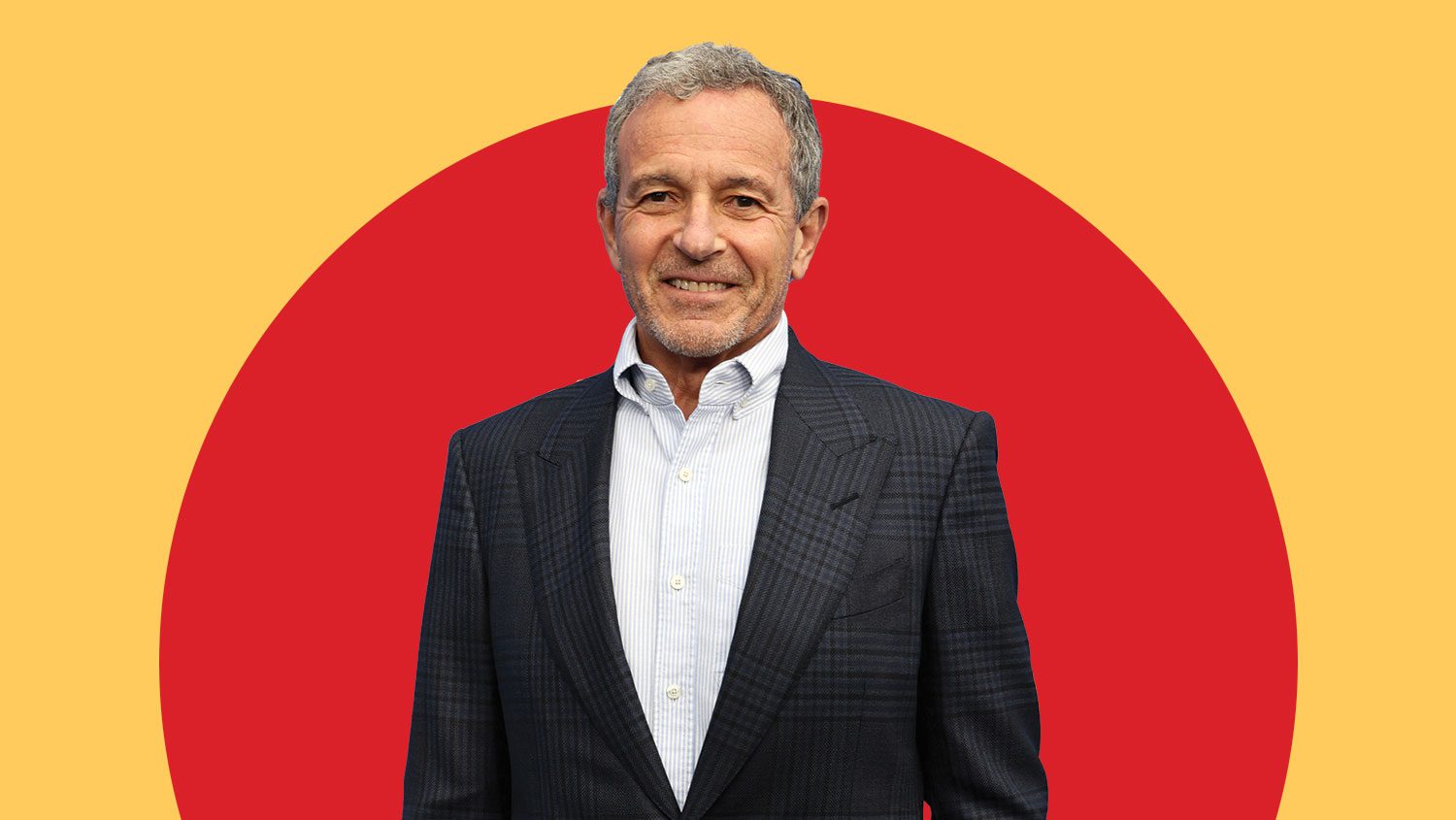
It felt overdue when Disney sued generative AI company Midjourney in June, given that AI had been swiping creatives’ work for years. “Piracy is piracy,” the company’s top legal officer said in a statement accompanying the lawsuit, which Universal joined as well. Advocates for human-led art cheered — at last, a blow for creators. That enthusiasm didn’t last long. Just months later, Disney invested $1 billion in OpenAI and said it would allow customers to use AI tools to generate versions of its own characters. “AI is going to give us the ability to … provide users of Disney+ with a much more engaged experience, including the ability for them to create user-generated [AI] content,” CEO Bob Iger told analysts on a November investor call, sketching a future where fans could spin up their own Darth Vader or Iron Man. The message was hard to miss. Studios may bristle at AI scraping their libraries — but they’re perfectly happy to monetize the knockoffs once they control the machine.
“”
-
“”
Flacking Throughthe Apocalypse
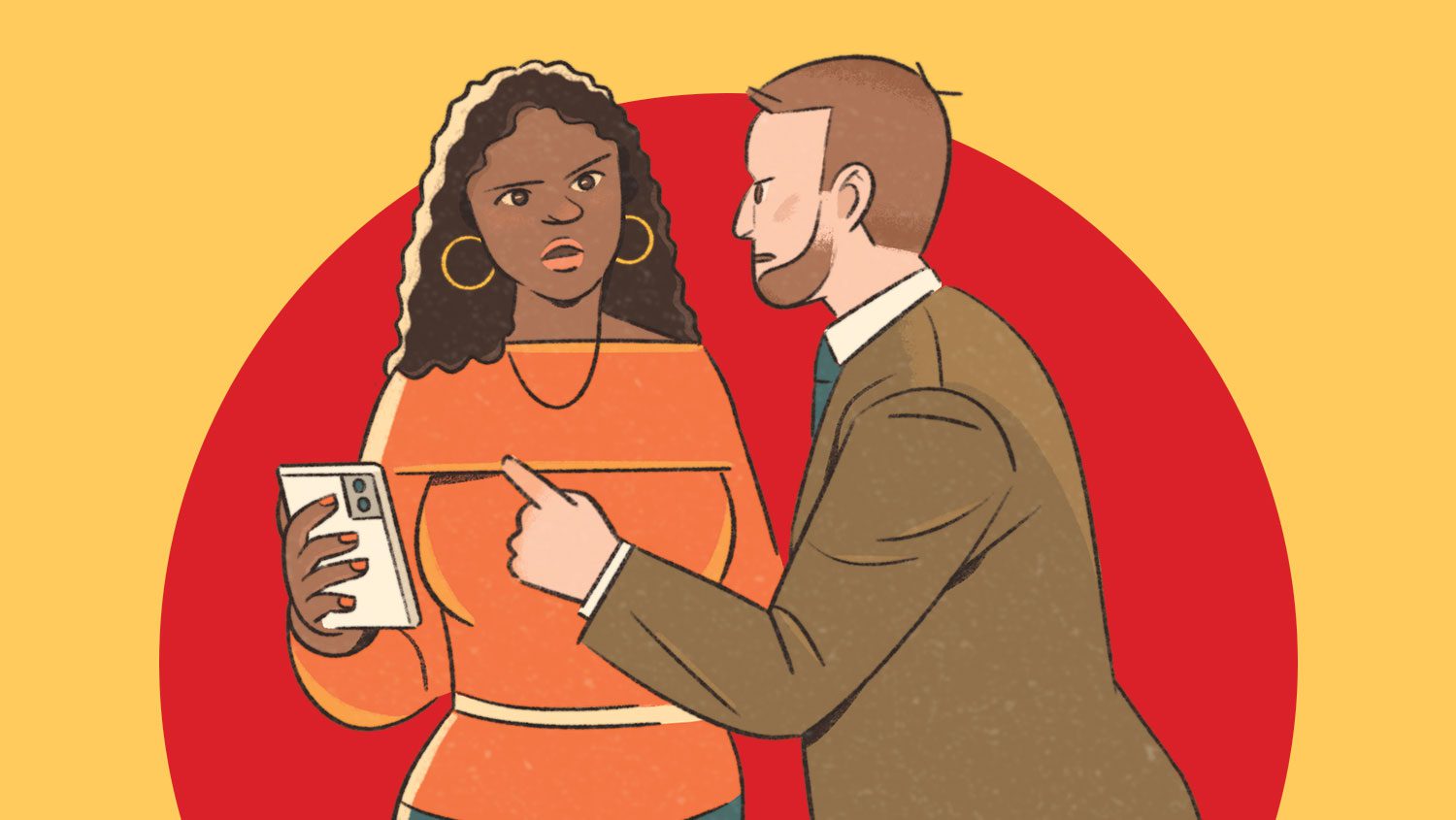
Hollywood publicists are used to managing crises, but in 2025, they started managing their own. Crisis teams hired crisis teams. Lawsuits flew. Defections became weekly gossip. Firms splintered, merged, resurrected themselves under new banners or quietly disappeared altogether. An industry built on discretion and relationships suddenly found itself in the middle of a civil war — loudly and in public. The backdrop was brutal math. With fewer shows, smaller awards campaigns and shrinking marketing budgets, publicists discovered an uncomfortable truth: You can make a movie without a flack, but a flack can’t flack without a movie. As layoffs piled up across studios, the people tasked with shaping narratives found themselves with nothing left to spin.
“”
-
“”
We’re Here, We’re Peeled, Get Used to It
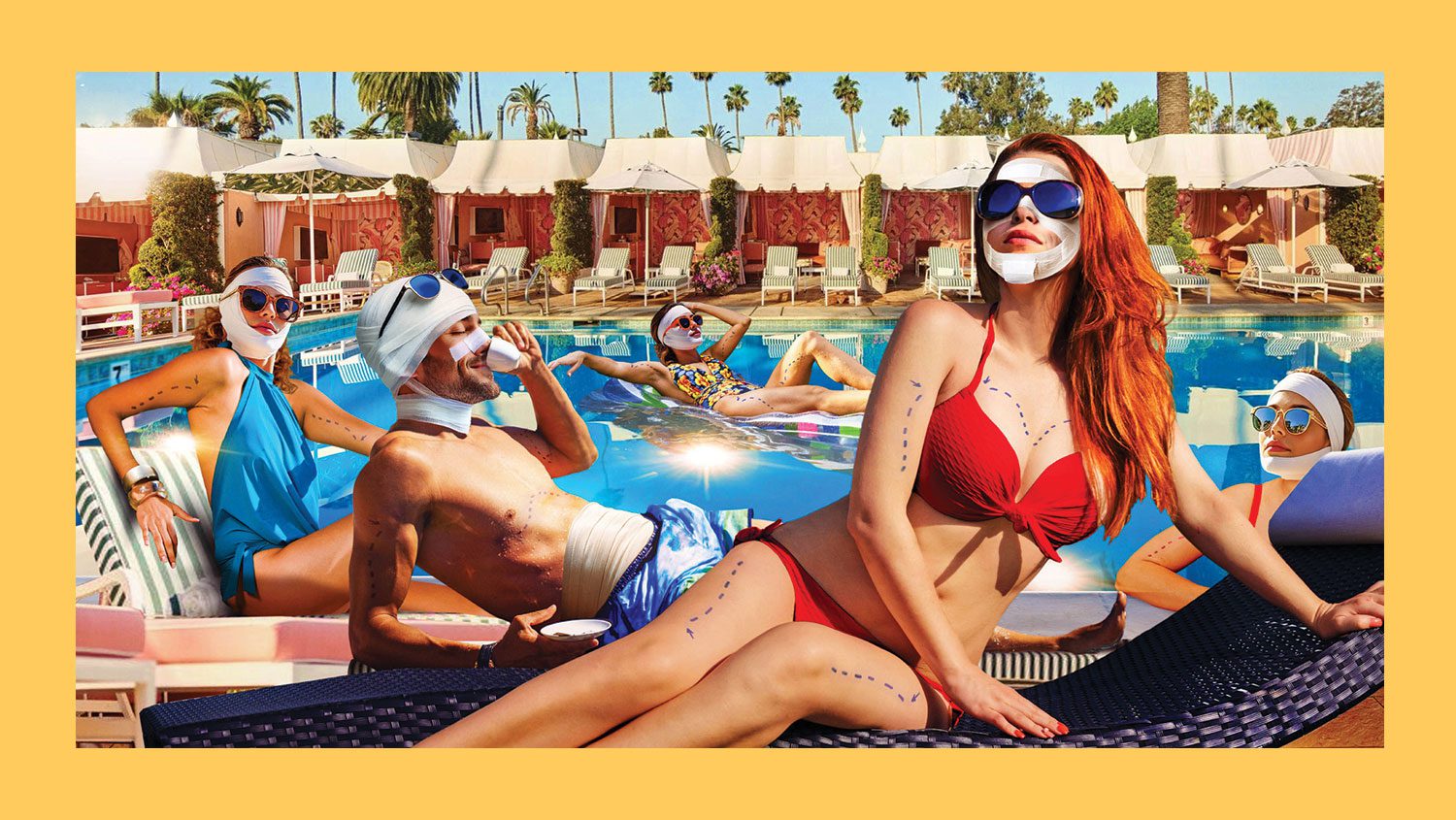
Plastic surgery used to be kept under both literal and figurative wraps. When you went under the knife, you hid out for weeks, concealed bruises behind shawls and oversized sunglasses, and claimed your newly stretched face or suddenly buoyant boobs were the result of a good night’s sleep or a miracle diet.
Now, plastic surgery is just another thing to boast about on Instagram. You can blame — or thank — the Kardashians for making inauthenticity authentic. The new era of transparency, as it’s been hailed, began in May when 70-year-old Kris Jenner revealed her new 40-year-old face. Not to be outdone, daughter Kylie soon bared her breast-augmentation specifics. Soon, everyone from Kristin Cavallari to Shark Tank’s Barbara Corcoran was openly flaunting nips and tucks.
The biggest beneficiaries have been the name-checked surgeons themselves, who became overnight celebrities, jacking up their rates as women across America collectively shouted, “I’ll have what she’s having.”
“”
-
“”
Biggest Bomb of 2025
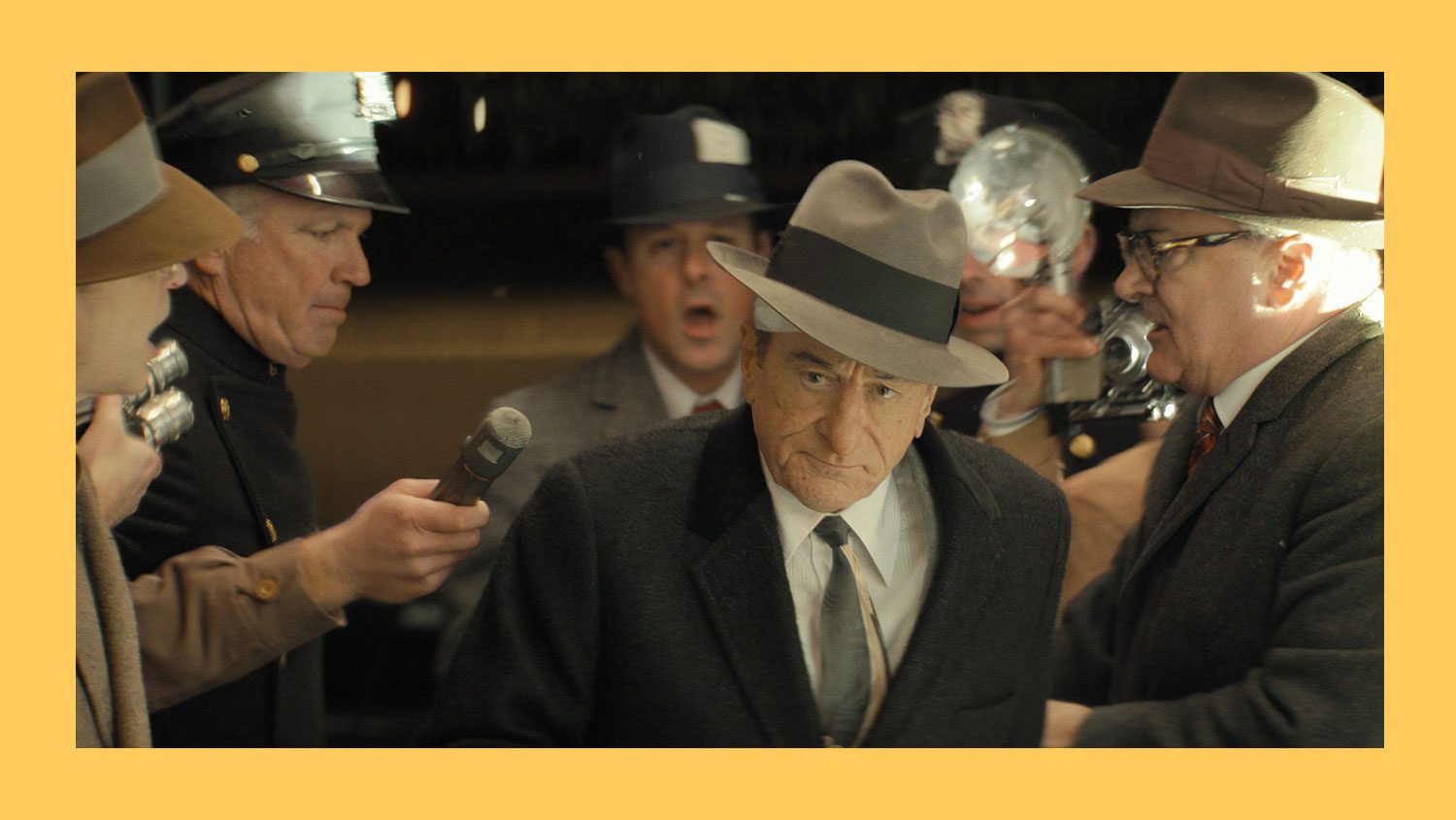
In a year packed with flops, the most thorough wipeout belonged to The Alto Knights. The Barry Levinson-directed gangster drama, starring Robert De Niro in dual roles, grossed roughly $9 million worldwide against a budget north of $45 million — an even worse showing than Disney’s embattled Snow White, which at least made noise. Alto Knights opened soft and vanished almost immediately, becoming the rare studio release that barely existed in the culture at all.
“”
-
“”
Butch Cassidy and Annie Hall Left the Stage
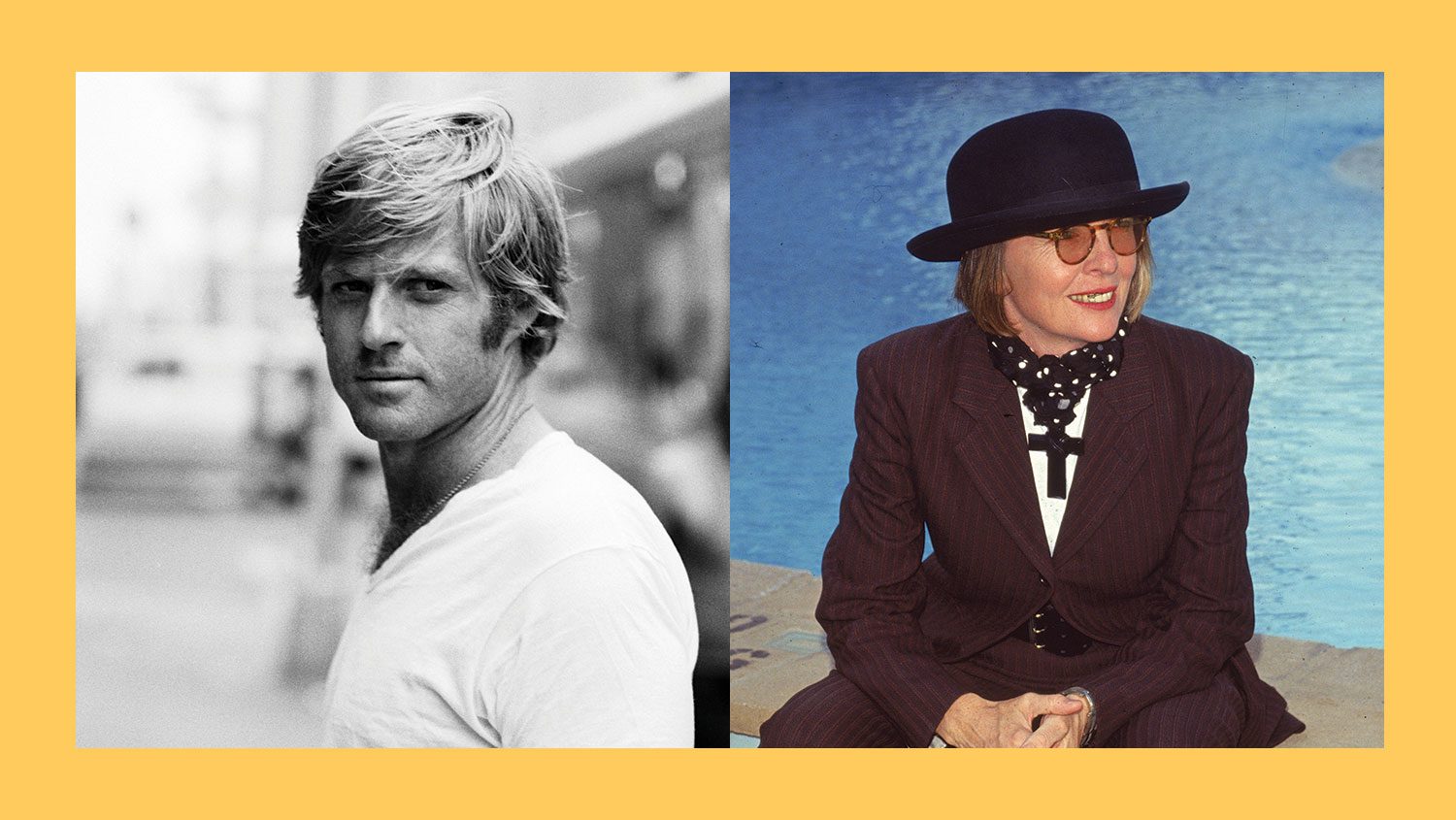
Of all the gut punches Hollywood absorbed in 2025, none landed quite like the near-simultaneous deaths of Diane Keaton and Robert Redford. It wasn’t just the loss of two beloved stars. It felt like a double confirmation that an entire idea of Hollywood had finally slipped out of reach. Keaton and Redford came from a moment when stars didn’t need to explain themselves, monetize themselves or remain perpetually visible to matter. Redford took the all-American leading man and made him guarded, conflicted, inward. Keaton turned awkwardness and volatility into a kind of defiant charisma. They trusted audiences to lean in rather than be chased. Their deaths landed as more than obituary news. They marked the quiet end of a contract Hollywood once had with its audience — that being human, uncertain and a little unknowable might still be enough.
“”
-
“”
Merger of the Year: Taylor and Travis
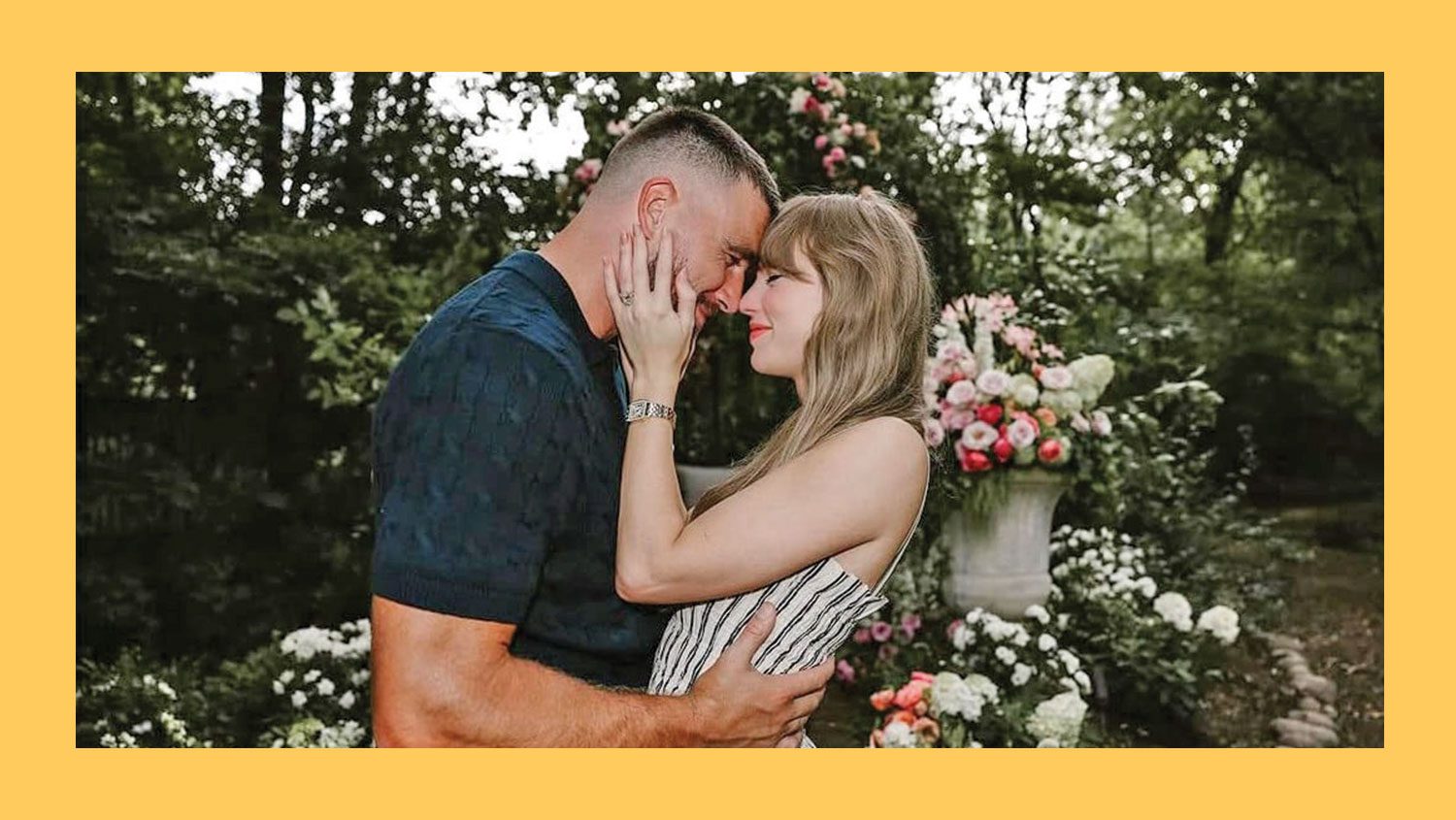
Nothing said, “I love you,” in 2025 like a meticulously orchestrated, multiplatform marketing strategy. For Taylor Swift and her tight-end beau, Travis Kelce, August was a month of synergies. On the 13th, Tay Tay made her much-heralded, bandwidth-straining debut appearance on Kelce’s hit bro-cast New Heights, previewing tracks from her latest album, Life of a Showgirl, while taking the podcast’s listenership to, well, new heights. Less than two weeks later, on the 25th, the two announced their merger — sorry, engagement — on Instagram in a shared post that broke records for most likes (37 million) for anyone not named Ronaldo or Messi. “Your English teacher and your gym teacher are getting married,” humble-bragged the caption beneath a series of candid shots that made sure to prominently display Swift’s million-dollar engagement ring and Cartier watch. As is usual for Swift, the comments were turned off.
“”
-
“”
Jeff Bezos Rented Venice
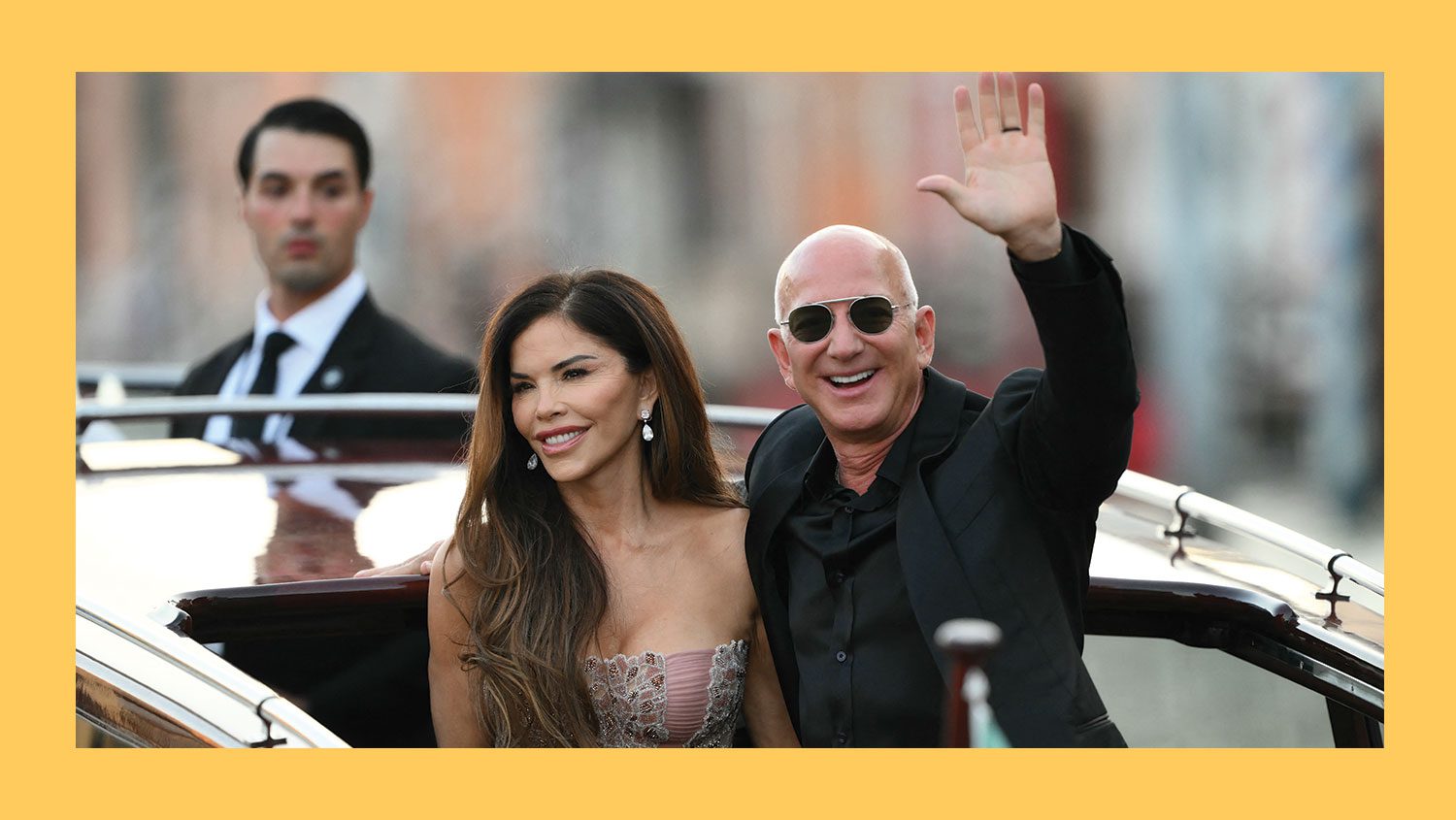
What does the Titanic have in common with Jeff Bezos’ superyacht Koru? Both serve as floating emblems of grotesque wealth inequality, and both hosted Leonardo DiCaprio. The actor was among the eclectic A-list guests for the Amazon founder’s blowout wedding to Lauren Sánchez in late June, a three-day Venetian bacchanal that gathered such disparate revelers as Oprah Winfrey, Tom Brady, Sydney Sweeney, Ivanka Trump and assorted Kardashians and Kushners. The $50 million affair, which kicked off with an on-deck foam party and culminated at the basilica of San Giorgio Maggiore, ruffled feathers in the sinking city, whose ancient walls were plastered with anti-Bezos messages.
This story appeared in the Dec. 17 issue of The Hollywood Reporter magazine. Click here to subscribe.
“”
HiCelebNews online magazine publishes interesting content every day in the celebrity section of the entertainment category. Follow us to read the latest news.