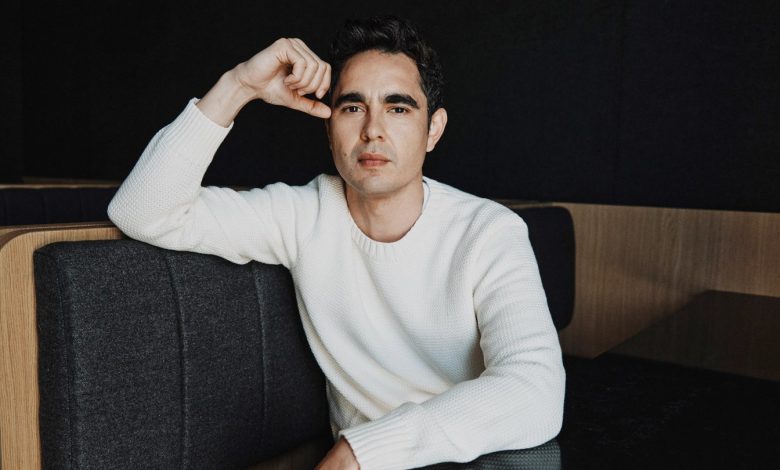
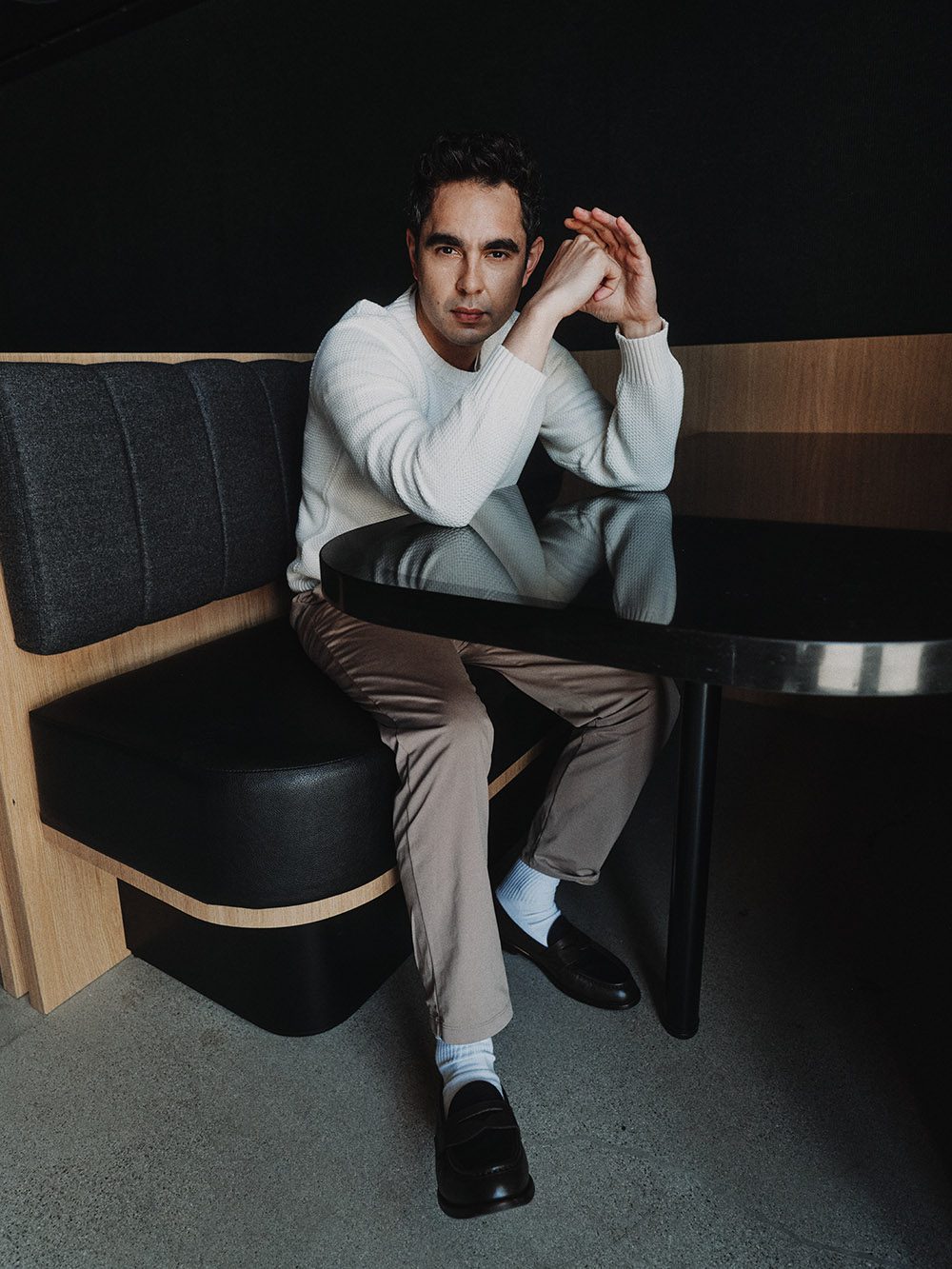
When new material comes his way, Max Minghella‘s first instinct is resistance. “Normally the way it goes for me is, I get sent a script and immediately think, ‘I don’t want to see myself in this,’ ” he says. “And then I go on this journey of having to admit there is some part of myself there, as much as I don’t want to make the connection.”
That reflex served him well for eight seasons on The Handmaid’s Tale, where he played Nick Blaine, the broody Gilead commander whose loyalties were as compromised as the morally corrupt regime he served. But Industry season four offered him something else entirely. As tech founder Whitney Halberstram, he’s not morally ambiguous so much as openly predatory: a financial criminal who uses an escort service to blackmail his competitors, a man fluent in rapid-fire finance-speak and allergic to shame.




Minghella waited for the familiar moment when the character’s flaws would start to look uncomfortably familiar. It never happened. “I eventually realized,” he says, “that I can’t see any of myself in this person.”
He dove into the part anyway.
Minghella grew up on movie sets — the son of the late Oscar-winning director Anthony Minghella — raised in Hampstead and surrounded early on by cameras and call sheets. Acting, he says, felt less like a choice than inevitability. “I really couldn’t do anything else,” he says.
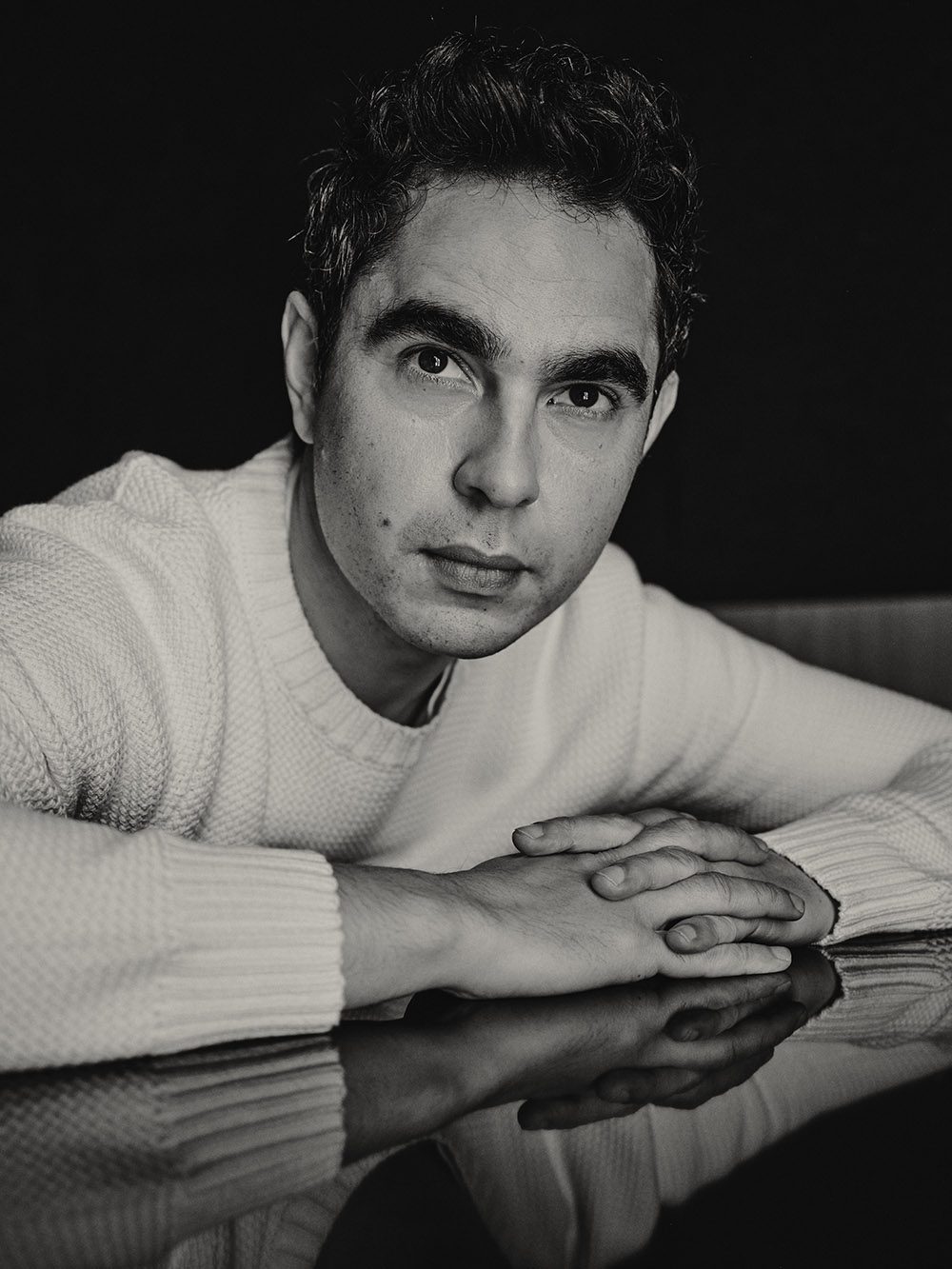
As a teenager he had a small, uncredited role in his father’s Cold Mountain, where he became friends with actor Charlie Hunnam. Soon after, he followed Hunnam to Los Angeles, where he began to audition and try his luck. His early screen work included a small part as George Clooney’s teenage son in Syriana. He later spent time at (but did not graduate from) Columbia University before returning to acting full time, landing his breakout role as Divya Narendra, one of the Harvard students who sued Mark Zuckerberg in The Social Network.
“I never really meant to build a life outside of London — or in L.A. — but because I’m an only child, I’m a real found-family person,” he says. “All my friends were here, and I felt safe around them. Now, 20 years later, I don’t feel as married to that, but it’s become like a retreat I can return to after filming in more exciting places.”
He was in Toronto, wrapping the final season of The Handmaid’s Tale, when Industry‘s co-creators reached out. They were looking for someone enigmatic — a description that tends to follow Minghella, partly because he rarely works in his native accent. “Everybody is surprised that I’m British — but not in a pleasant way,” he says with a laugh. “I had this fantasy growing up that Americans are enamored by a British accent, and maybe I’m the anomaly, but people are often disappointed when they meet me. And I’ve seen stuff online that people much prefer me acting in an American accent.”
He knew he would need something substantial to follow eight years in Gilead, but he wasn’t gaming out a strategy. “I’m not good at that, and my career has just been reacting to whatever people sent my way,” he says. “But it’s not like I’m Brad Pitt; I’m not like, ‘Oh, should I do the Tarantino movie or the PTA movie?’ “
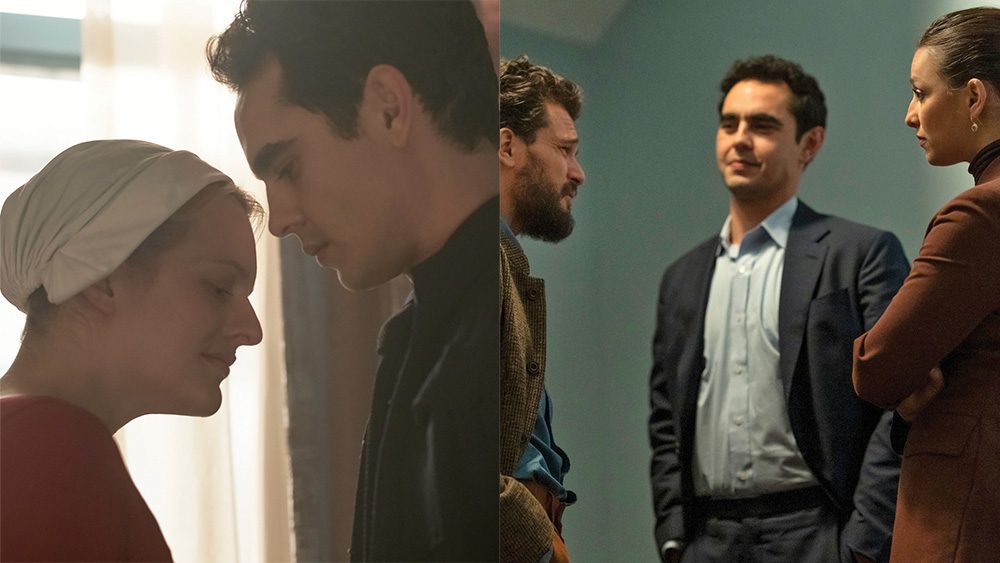
Industry‘s eight-episode commitment appealed to Minghella. The script’s dense, finance-heavy dialogue less so. The actor describes the job as “athletic” and found himself doing three to four hours of homework each night — learning how to say things like, “Add complexity to the jurisdictional fog of who audits us plus the media smokescreen of a turbo bullish headline,” without breaking into a sweat.
To help build his character’s inner isolation, he also decided to separate himself from the rest of the cast while living in Wales, where the series is shot. “I’m not a Method actor at all, but I chose to live in a different neighborhood because there was something alien about the character that I was trying to bring in,” he says. The distance helped him focus.
Working with a mostly Gen Z cast, Minghella, who turned 40 shortly after wrapping, also became newly aware of his age. “I felt old, and I’ve never experienced that on set before,” he says, laughing. But the milestone seems to have shifted something. Being photographed, standing in front of crowds — aspects of the job that once rattled him — feel somehow easier now.
“I had this idea that as an actor, it’s my job to be submissive or subservient, and now I’ve become less polite,” he says. “And I have to say, that’s comfortable.”
This story appeared in the Feb. 23 issue of The Hollywood Reporter magazine. Click here to subscribe.
HiCelebNews online magazine publishes interesting content every day in the TV section of the entertainment category. Follow us to read the latest news.